Toyota
Toyota sells more cars in America than anyone else for one simple reason: they just keep going. From the Corolla that starts a million first-car stories to the Tacoma that refuses to die, these are the five models that built the reputation — with 2026 starting prices and the numbers that matter.
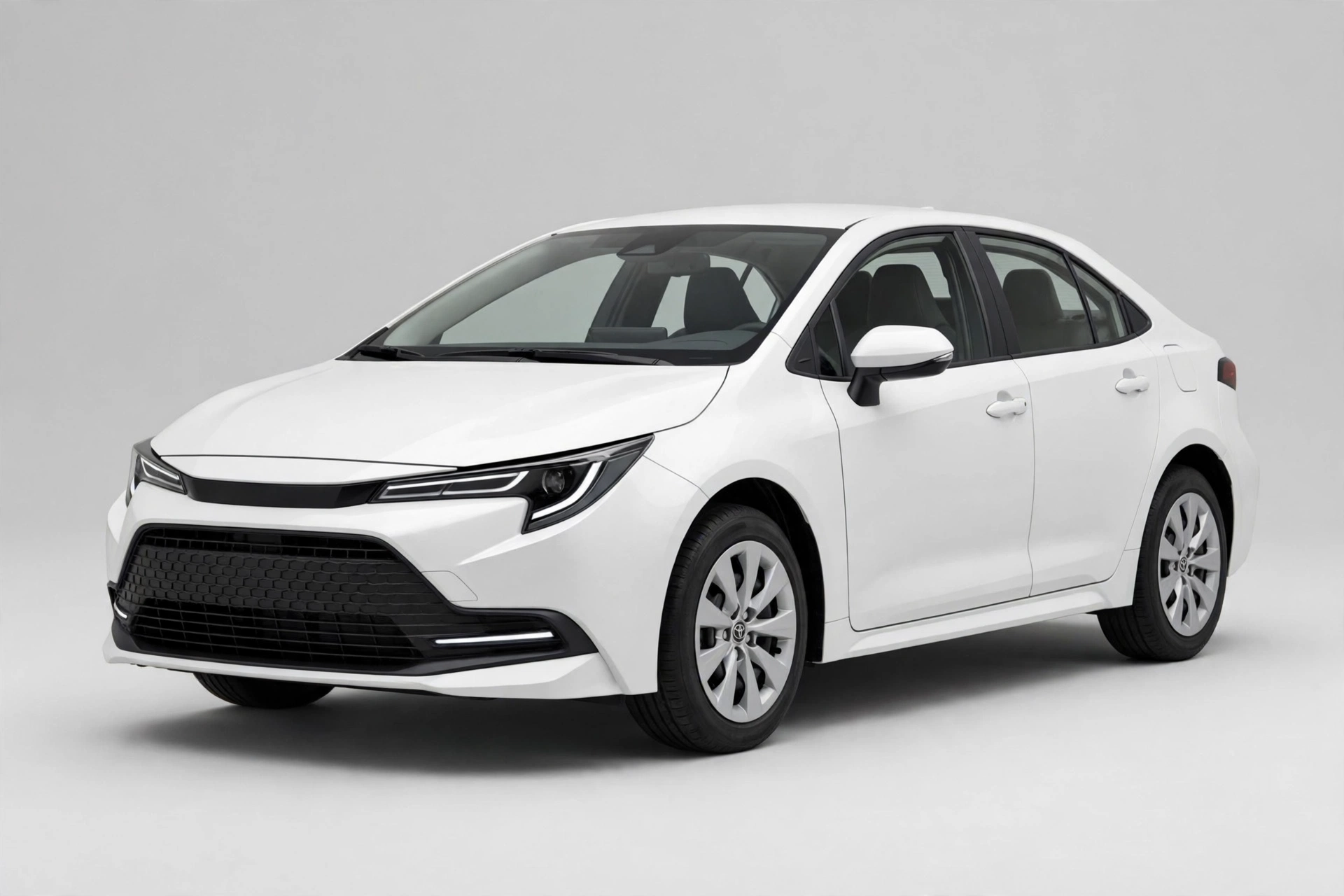
Corolla — America's First-Car Favorite
From ~$23,100 (LE)
Specs: 2.0L 4-cyl · 169 hp · 32/41 mpg · hybrid version up to ~50 mpg combined
The compact sedan that defined reliable — sharp value, 41 mpg on the highway, and a hybrid if you want even more.
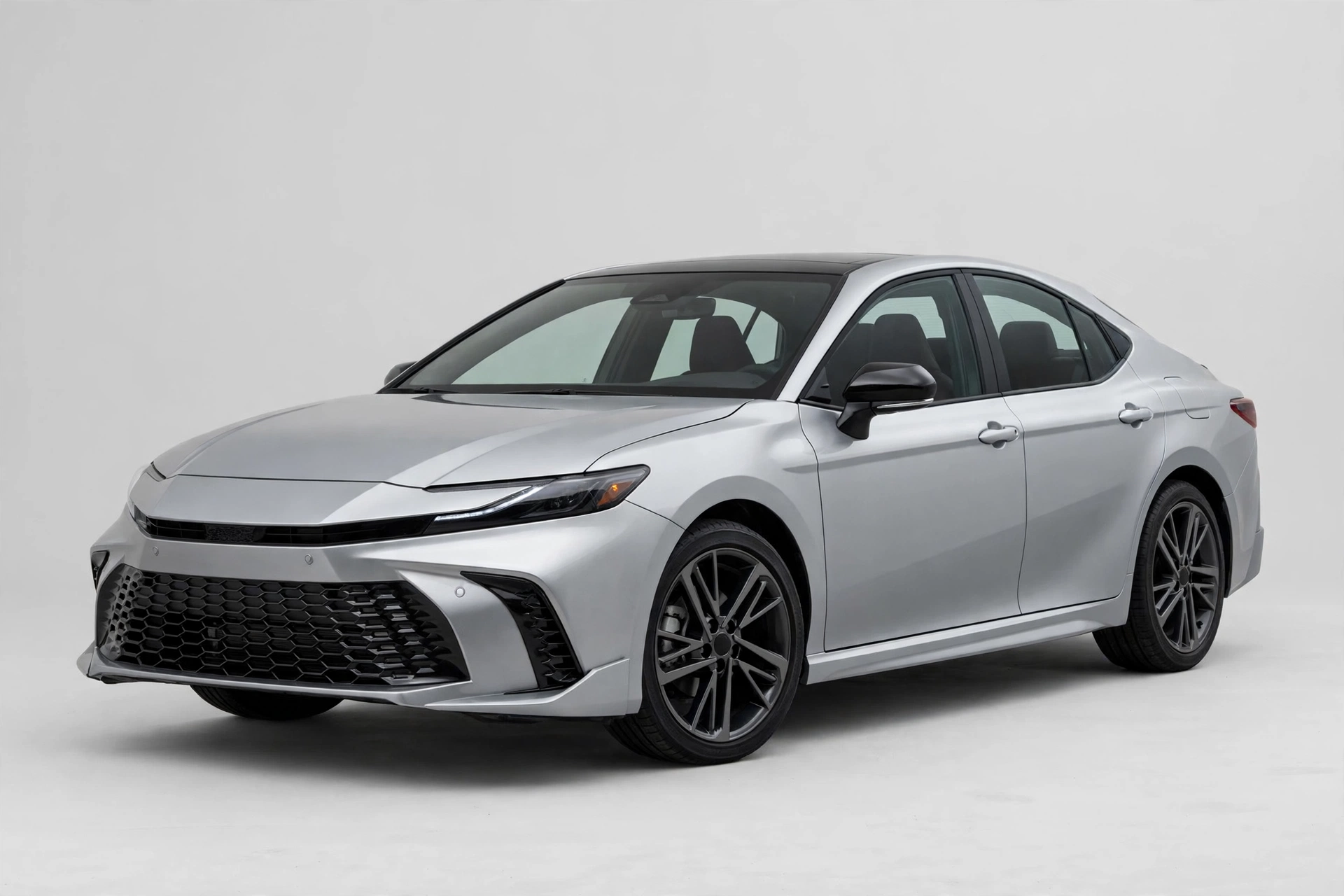
Camry — The Hybrid-Only Family Sedan
From ~$29,300 (LE)
Specs: 2.5L hybrid · 225 hp (232 hp with AWD) · up to 53/50 mpg
America’s best-selling sedan went all-hybrid — 225 hp, up to 53 mpg, and available all-wheel drive.
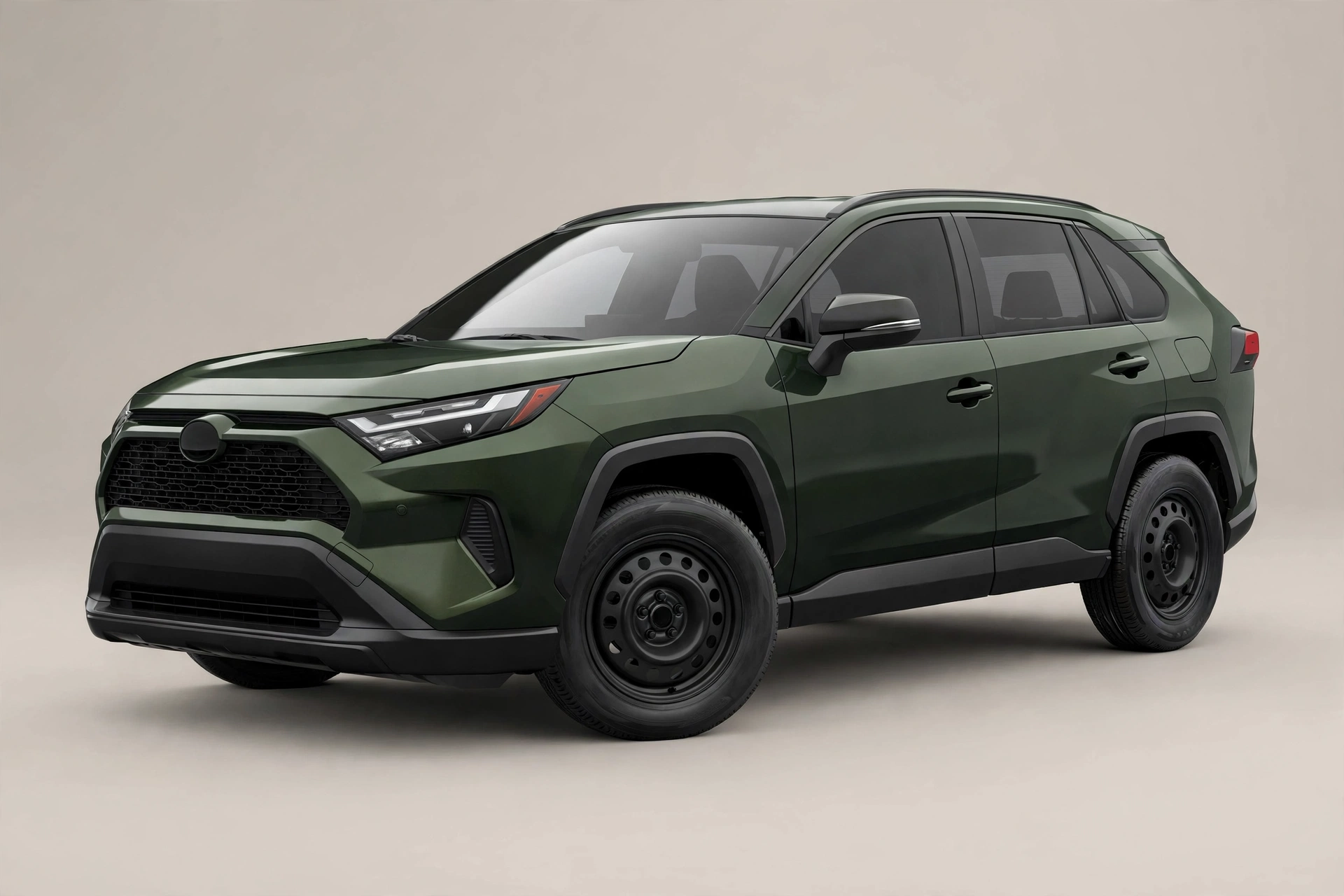
RAV4 — The SUV That Started It All
From ~$31,900 (LE)
Specs: 2.5L hybrid · 226 hp (236 hp AWD) · hybrid-only for 2026 · plug-in hybrid available
The compact SUV everyone else chases — redesigned and hybrid-only for 2026, with a plug-in version on the menu.
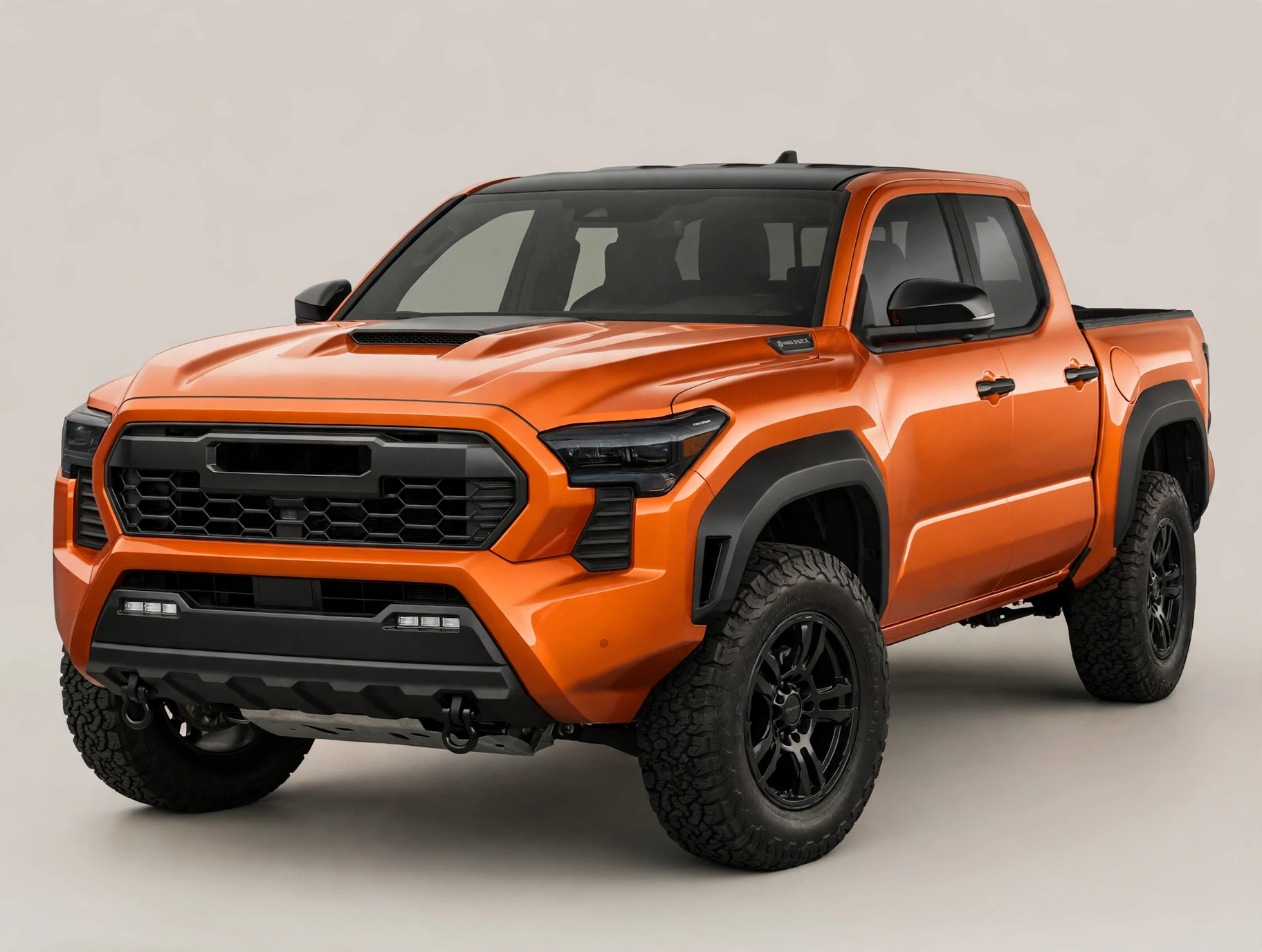
Tacoma — The Midsize Truck Benchmark
From ~$32,100 (SR)
Specs: 2.4L turbo · 228–278 hp · tows up to 6,500 lbs · TRD off-road trims
The midsize pickup with the cult following — turbo power, real off-road hardware, and resale value nothing else touches.
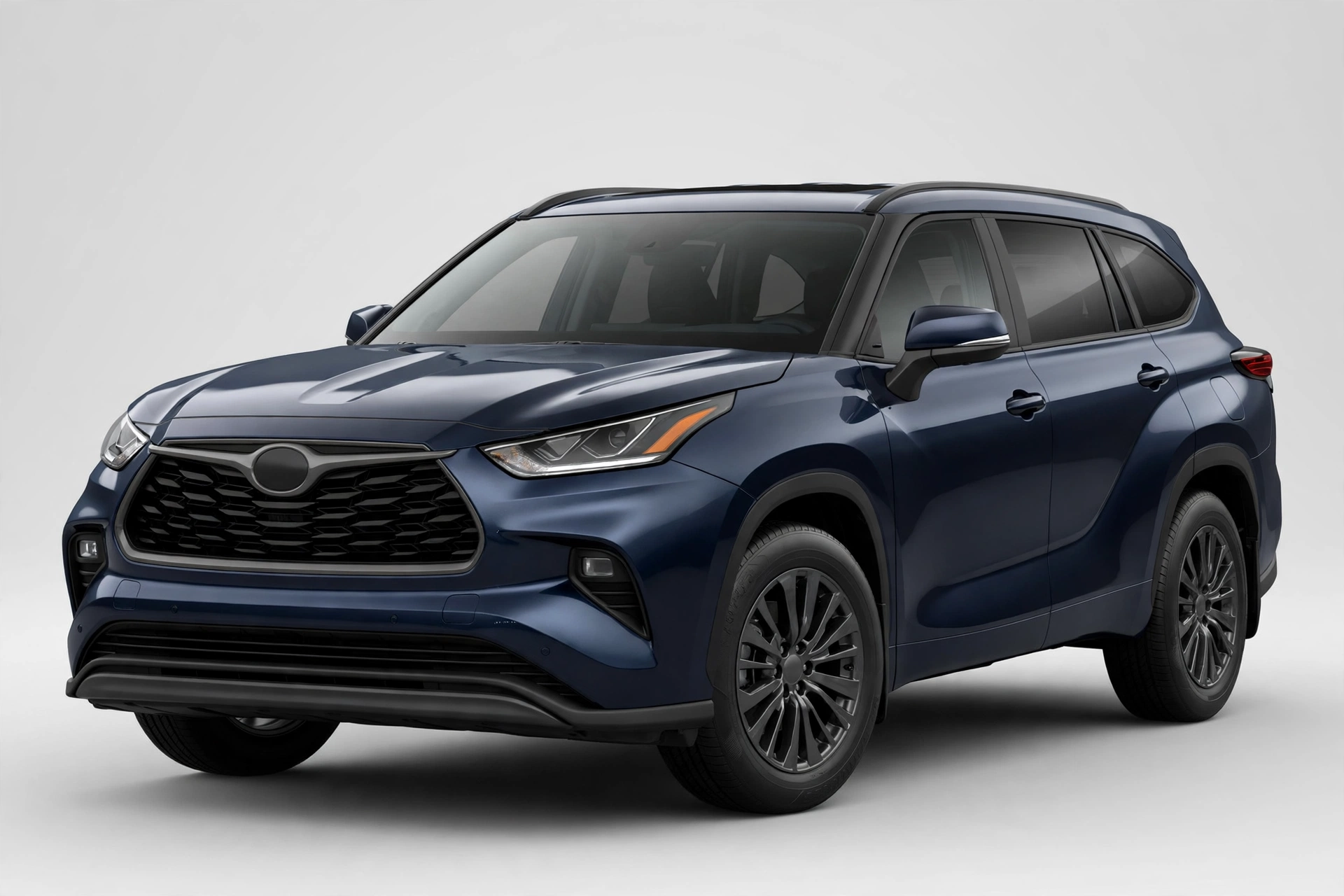
Highlander — Three Rows, Zero Drama
From ~$45,300
Specs: 2.4L turbo · 265 hp · seats up to 8 · hybrid version available (~36 mpg)
The family three-row that keeps it simple — strong turbo power, room for eight, and a hybrid for the long-haul crowd.
Ask drivers which brand they would trust for a decade of trouble-free motoring, and one name comes up most: Toyota. Its promise is simple — cars that start every morning, cost little to run, and hold their value at resale. Kept consistently for decades, that promise is why Toyota showrooms stay busy worldwide.
This guide walks you through what makes Toyota special, the model categories the brand is known for, its leadership in hybrid technology, and practical advice for choosing the right Toyota for your needs.
Why Toyota Owners Stay Loyal
Toyota’s reputation was not built on flashy launches or headline-grabbing horsepower figures. It was built in workshops and on odometers. The brand’s engineering philosophy favors proven, well-tested technology over bleeding-edge experiments, which means fewer surprises for owners. Engines, transmissions and electronics are refined over long production runs rather than reinvented every few years.
That conservatism pays off where it counts. First, reliability: Toyotas consistently top dependability studies. Second, resale value: trusted badges depreciate slowly, which lowers your true cost of ownership over the years you keep the car.
Add in a vast service network and widely available spare parts, and you get a brand that is as easy to live with as it is to buy.
Toyota’s Most Popular Model Categories
Toyota’s lineup is broad, but a few categories define the brand for most buyers:
Sedans
The sedan is where many buyers first meet Toyota. The Corolla has become the global benchmark for compact sedans — sensible, comfortable, economical and almost indestructible — while larger sedans add highway refinement. For dependable family transport with low running costs, start here.
SUVs
From compact crossovers to full-size, go-anywhere machines, Toyota’s SUV range is one of the most complete in the industry. Smaller SUVs suit city families who want a higher driving position and flexible cargo space, while the brand’s legendary larger SUVs and pickups have earned a reputation for durability in the toughest conditions on earth. Few badges inspire more confidence on a rough road.
Hybrids
Toyota didn’t just join the hybrid movement — it created the mainstream market for it. Hybrid versions of popular Toyota models pair a petrol engine with electric assistance to deliver noticeably better fuel economy, especially in stop-and-go city driving. For buyers who want lower fuel bills without changing how they drive or worrying about charging, Toyota hybrids are the easy answer.
Pickups and MPVs
In many markets, Toyota’s pickups and people-carriers are workhorses — chosen by businesses and large families for their ability to carry heavy loads, day after day, with minimal fuss. If utility is your priority, this corner of the lineup deserves a close look.
Toyota’s Hybrid Leadership
No discussion of Toyota is complete without its hybrid technology. While rivals debated the future, Toyota spent decades refining a system that is now remarkably mature: smooth, quiet, efficient and — crucially — just as reliable as the brand’s conventional powertrains. Hybrid batteries are designed to last the life of the vehicle, and real-world data from taxi fleets running hundreds of thousands of kilometers backs that up.
The takeaway is simple: city drivers save meaningful fuel with zero lifestyle changes, and on the highway the smoothness remains. Either way, you are buying the most proven hybrid system on sale.
What to Look for When Buying a Toyota
Even with a dependable brand, choosing well matters. Keep these points in mind:
- Match the powertrain to your driving: hybrids shine in city traffic; conventional engines can make more sense for constant highway use. Be honest about your daily routes.
- Study the trim levels: Toyota typically offers a clear ladder of variants. Mid-range trims often deliver the best balance of features and price — top trims add nice extras but cost disproportionately more.
- Check hybrid battery health on used models: while failures are rare, a diagnostic check on an older hybrid gives peace of mind and negotiating leverage.
- Verify service history: a Toyota with complete dealer or specialist service records is worth more — and is a safer buy — than one without.
- Compare running costs, not just the price tag: insurance, fuel and scheduled maintenance vary between models. Factor in the full picture before deciding.
Smart Toyota Buying Tips
- Shortlist two or three models, not ten. Decide your body type and budget first, then compare within Toyota’s range before looking at rivals.
- Test drive back to back. Drive your finalists on the same day, over the same route. Differences in comfort, visibility and refinement become obvious immediately.
- Negotiate on the out-the-door price. Focus on the total you will pay, including fees and extras, rather than the monthly figure alone.
- Consider certified used options. A manufacturer-backed used Toyota with warranty coverage can offer remarkable value.
- Time your purchase. End-of-month and model-year-changeover periods are when dealers are most flexible.
Is a Toyota Right for You?
If your priorities are reliability, low running costs, strong resale value and stress-free ownership, Toyota is very hard to beat — the brand’s appeal is obvious for anyone who views a car as a long-term partner.
Ready to dig deeper? Explore our buying guides to learn how to compare specifications like a pro, our comparisons to see how Toyota stacks up against Honda and other rivals, and our model overviews for detailed breakdowns of the cars that interest you most.