Europe EV sales September 2026 delivered a number that would have sounded impossible five years ago: more than three out of every four new cars registered in September had some form of electrified powertrain. The European Automobile Manufacturers’ Association (ACEA) reported that new-car registrations across the European Union, Britain and the European Free Trade Association rose 10.2% year over year to 1.36 million vehicles — and electrified models drove the entire gain.
Europe EV Sales: The Headline Numbers
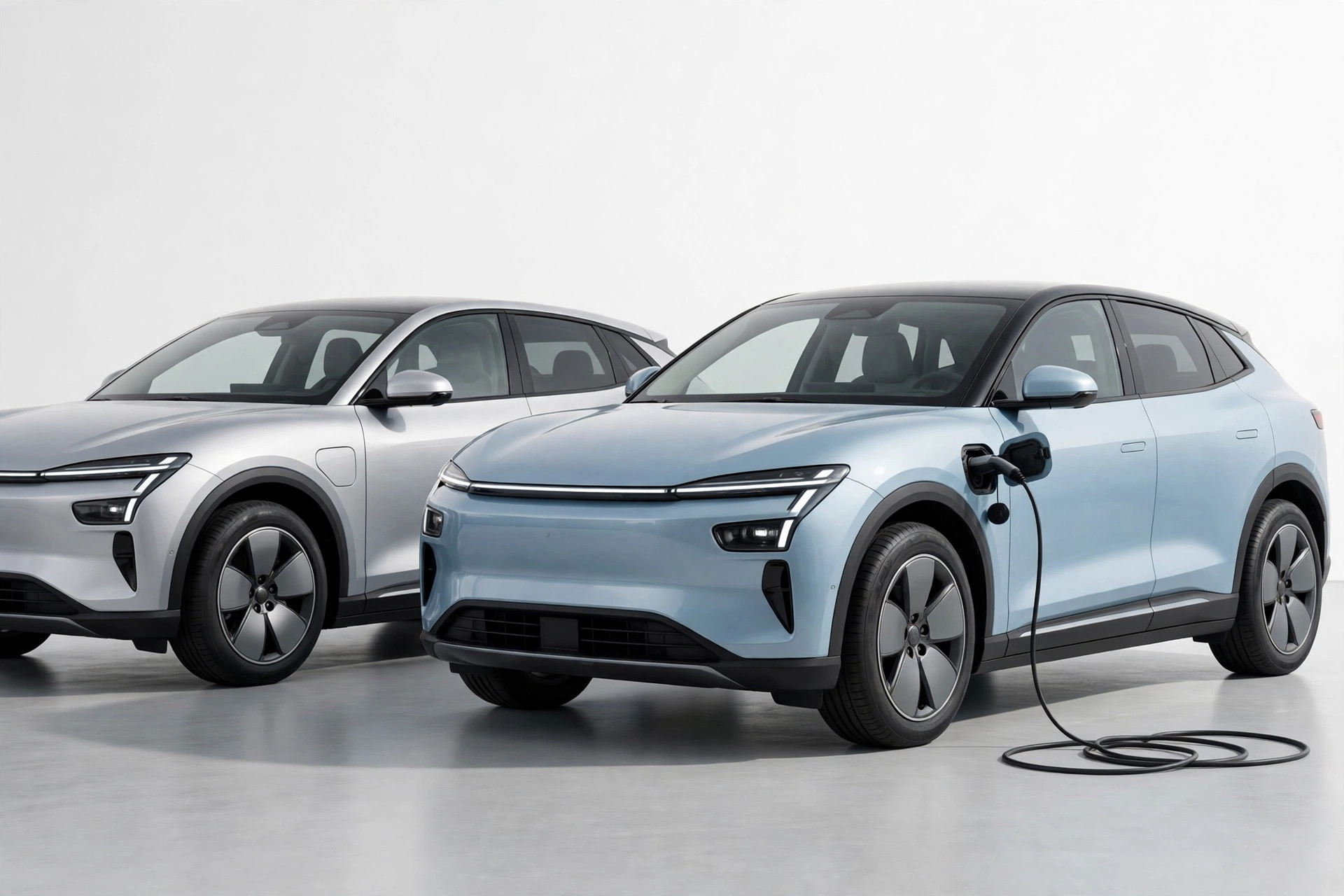
According to the ACEA data, carried by Reuters, battery-electric registrations jumped 59.9% year over year in September, plug-in hybrids rose 24%, and conventional hybrids grew 5.3%. Together, the three electrified categories accounted for 76.2% of all new vehicles registered during the month. Petrol-car registrations fell 20.6% and diesel dropped 28.2%, continuing their steady slide out of the European market. Reuters reported that demand for electrified models was supported by purchase incentives and a broader model lineup across major European markets.
The Electric Majority
Step back and consider what 76.2% actually means. Only 23.8% of new cars registered in Europe last month burned petrol or diesel alone — combustion-only cars are now a clear minority in the world’s second-largest car market. The surge is being led by pure battery electrics, which grew nearly 60%, but plug-in hybrids and conventional hybrids are stacking up behind them: every shade of electrification is gaining at once. Europe has crossed a psychological line, and it did so in a single quarter.
The ACEA figures also undercut the idea that Europe’s EV transition stalled in 2025. After a year of wobbles — subsidy cuts in Germany, softening fleet demand — September’s data suggests the market found a second gear. Analysts watching the figures will ask how much of the jump reflects temporary incentive effects and how much is structural, but the direction is not in doubt: the internal-combustion engine is now the exception in European showrooms, not the rule.
The Chinese Surge
The second headline in the ACEA report is who is selling the electrics. Chinese automakers continued to expand aggressively in Europe: Chery’s sales nearly tripled, BYD’s roughly doubled, Geely’s rose more than 33% and SAIC’s more than 23%. Combined, the four Chinese carmakers’ market share climbed to 14.6%, up from 9.6% a year earlier — a gain of five full percentage points in a single year. In a market of 1.36 million registrations, that is roughly 200,000 cars a month going to Chinese brands that were bit players on the continent not long ago.
The speed matters as much as the scale. Gaining five points of share in twelve months in a mature, brand-loyal market is the kind of shift that normally takes a decade. The Chinese brands are doing it with competitively priced electric models that arrive well-equipped — exactly the segment where European incumbents have been slowest to respond.
Europe’s Own Giants Are Losing Ground
The losers in the ACEA report are the home teams. Volkswagen brand registrations fell 2.9% and Renault’s fell 0.7% in a market that grew 10.2% — both ceded share while the pie expanded. Stellantis gained 4.5% but still couldn’t keep pace with overall growth. Combined, the three European groups’ market share slipped to 43.7% from 48.4% a year earlier, meaning nearly five points of Europe’s market went to competitors — overwhelmingly the Chinese newcomers. For an industry that once treated Europe as its fortress, the numbers read like a warning.
Tesla’s Reported Comeback
One trade outlet, newmobility, reported that Tesla’s European registrations rose 78.6% in September — a striking figure the outlet attributed to its own tracking rather than the ACEA release. If accurate, it suggests Tesla’s refreshed lineup is finding traction even as Chinese brands flood the market, and it would stand in sharp contrast to the company’s tougher U.S. narrative this year. As always with a single outlet’s estimate, the figure should be read with caution — but it hints that the European EV fight is being contested on multiple fronts at once.
The American Contrast
The European data landed just days after GM reported its third quarter, and the comparison is stark. GM said its U.S. EV sales fell roughly 62% year over year to about 25,500 units, while its gasoline truck business posted record profits. Europe’s EV market is accelerating with incentives and model choice; America’s is retreating as manufacturers pull back and buyers lean on hybrids and conventional trucks. Two large markets, moving in opposite directions at the same time.
What explains the split is still an open question, and any honest account has to leave room for several answers at once. Reuters pointed to purchase incentives and a wider selection of electric models in Europe’s major markets — a policy-and-product story. On the U.S. side, GM’s own sales reporting noted that the year-ago quarter was inflated by a tax-credit-driven buying rush, making the current drop look steeper than the underlying trend. Analysts will debate whether America’s pullback is a pause or a pivot, but the ACEA numbers make one thing clear: the electric transition is not slowing down globally. It is slowing down in America specifically, while Europe races ahead.
What It Means for American Buyers
The transatlantic split matters for U.S. shoppers more than it might first appear. Here is the honest read:
- Europe’s cheap-EV wave isn’t coming here. The affordable electric models driving Europe’s surge come largely from Chinese brands that are effectively absent from the U.S. market — and nothing in these figures suggests that changes soon. Do not expect Europe’s $25,000-equivalent EVs at an American dealership next year.
- American lineups will look different. While European showrooms electrify, U.S. automakers are retreating to trucks, hybrids and conventional SUVs. The vehicle you can buy in 2027 may depend heavily on which side of the Atlantic you are standing on.
- Model timing will follow the money. Automakers put their newest electric technology where buyers actually want it — and right now, that is increasingly Europe. American buyers may see delayed or trimmed EV launches as product planners chase the demand.
- Deals may hide in the U.S. slowdown. A soft American EV market could mean aggressive deals on remaining domestic electric inventory — Tesla’s own quarter showed the pressure is real. But thinner choices lie ahead as lineups shrink.
Two markets, two futures: Europe is going electric at full speed while America hits pause. For American buyers, the ACEA numbers are less a promise than a preview of a world where the best electric cars keep getting better — just not necessarily on this side of the ocean.

Arsalan Shaikh is the founder and editor of CarModels.online. A lifelong car enthusiast, he writes practical, jargon-free buying guides to help readers choose the right car with confidence — from first-time buyers to seasoned owners.