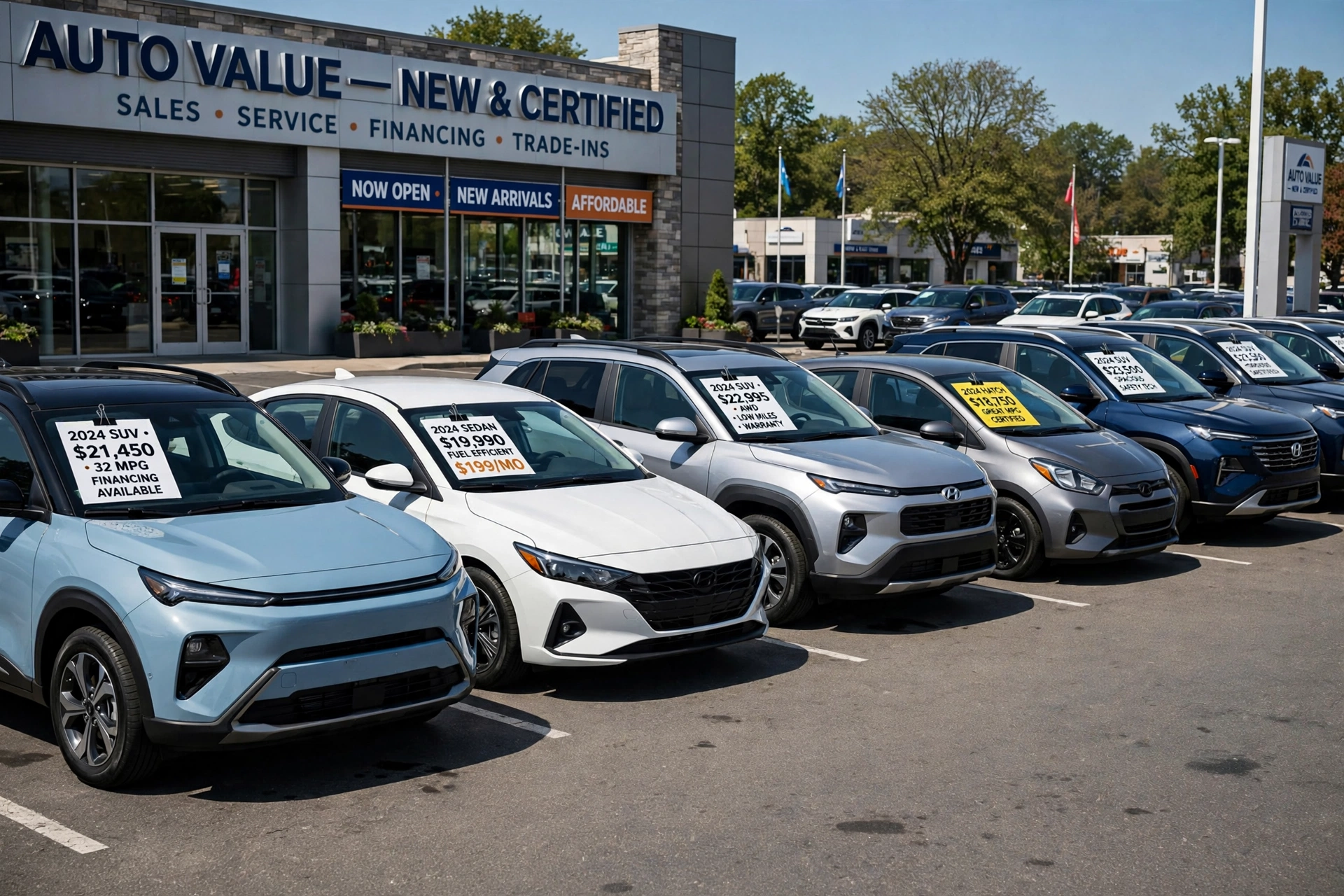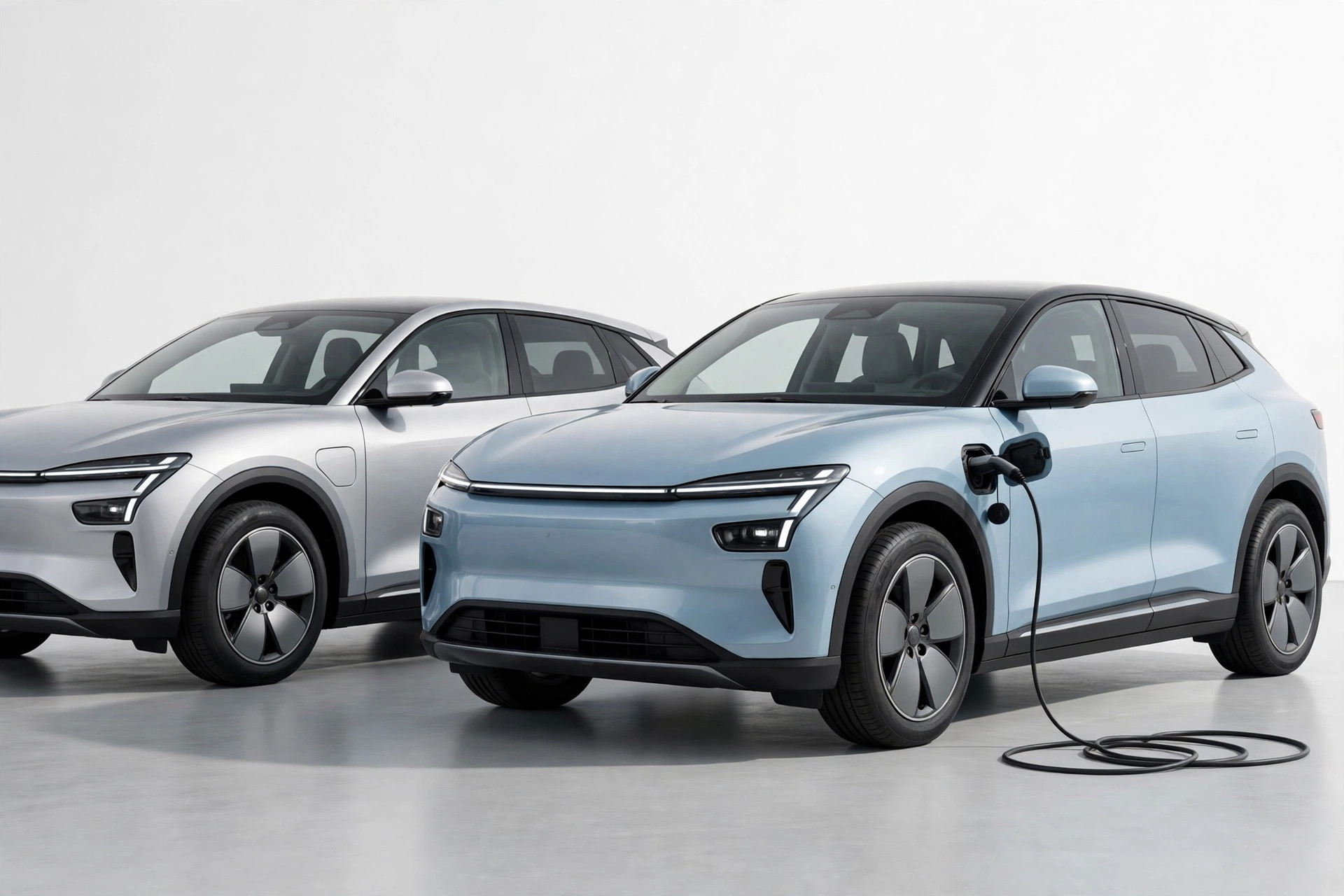
Buying a car is one of the biggest purchases most people ever make — and one of the easiest to get wrong. Walk into a dealership unprepared and you can end up overpaying, choosing the wrong variant, or discovering running costs you never budgeted for.
The good news: a little preparation changes everything. These expert car buying tips walk you through the entire process, from setting a realistic budget to driving your new car home with confidence.
Car Buying Tips: Start With an Honest Budget
Before you look at a single car, decide what you can genuinely afford. The sticker price is only the beginning — insurance, fuel or charging, maintenance, and taxes all add up. A car that fits your budget on paper can still strain your finances if the running costs are high.
A Simple Rule of Thumb
Many financial advisers suggest the 20/4/10 rule as a starting point:
- Put at least 20% down as a deposit to keep your loan manageable.
- Finance for no more than 4 years, so you are not paying for a car long after its value has dropped.
- Keep total car expenses under 10% of your gross monthly income.
This is a guideline, not a law — but if a purchase breaks all three rules, it is worth pausing to reconsider.
New vs Used: Making the Right Call
There is no universally correct answer, only the right answer for your situation. Weigh the trade-offs honestly:
- New cars offer full warranties, the latest safety technology, and that unbeatable peace of mind — but they lose value fastest in the first few years.
- Nearly-new cars (one to three years old) are often the sweet spot: most of the depreciation has happened, but much of the warranty and modern technology remains.
- Older used cars cost the least upfront, but budget for higher maintenance and check the service history carefully.
If you are buying used, always get an independent pre-purchase inspection. The small fee can save you from a very expensive mistake.
Compare Variants Like a Pro
Most models come in several variants, and the differences are not always obvious. The base variant may lack features you will miss daily, while the top variant may charge a premium for extras you will never use. Compare systematically:
- List the variants side by side and highlight what each one adds over the one below it.
- Separate must-have features (safety equipment, the engine or drivetrain you need) from nice-to-haves (larger wheels, ambient lighting).
- Check which features are genuinely unavailable on lower variants versus merely bundled differently.
- Consider resale: mid-range variants with popular features often hold value best.
The Test Drive Checklist
Never buy a car you have not driven — and never rush the drive. A proper test drive takes at least 20 to 30 minutes and should cover the conditions you will actually face. Work through this checklist:
- Comfort and visibility: Adjust the seat and mirrors. Can you see clearly in every direction? Are the controls easy to reach?
- City driving: Test stop-and-go traffic, tight turns, and parking. How is the steering at low speed?
- Highway driving: Get up to cruising speed. Listen for wind and road noise, and check stability.
- Braking: Try a firm stop from moderate speed in a safe area. The pedal should feel progressive, not grabby.
- Technology: Pair your phone, try the navigation, and test the driver-assistance features if equipped.
- Passengers and cargo: Bring your family or your usual load. Check rear-seat space and boot access with real-world items.
If possible, test drive your top two or three choices back to back — differences you would never notice in isolation become obvious.
Negotiate With Confidence
Negotiation makes many buyers uncomfortable, but it is a normal part of the process. A few principles go a long way:
- Research the market price before you visit, so you know what a fair deal looks like.
- Negotiate the total price, not the monthly payment — dealers can stretch loan terms to make any payment look affordable.
- Get quotes from multiple dealers and let them compete for your business.
- Be willing to walk away. The single most powerful negotiating tool is a genuine readiness to leave.
- Read everything before signing, including fees, add-ons, and warranty terms.
Understand Your Financing Options
Unless you are paying cash, financing is part of the purchase. Compare the interest rate (APR), the loan term, and the total amount you will repay — not just the monthly figure. A longer term lowers your payment but increases the total cost and the risk of owing more than the car is worth. Get pre-approved by your bank before visiting the dealership; it gives you a benchmark and real bargaining power.
Calculate the Total Cost of Ownership
The purchase price is only one chapter of the story. Before committing, estimate what the car will cost you over five years:
- Fuel or charging costs based on your actual annual mileage.
- Insurance premiums, which vary dramatically between models.
- Scheduled maintenance and typical repair costs for that model.
- Depreciation, especially if you plan to sell within a few years.
Two cars with similar price tags can have very different ownership costs. The cheaper car to buy is not always the cheaper car to own.
Buy Smart, Drive Happy
Great car buying comes down to preparation: an honest budget, careful variant comparison, a thorough test drive, and a clear-eyed look at total ownership costs. Follow these steps and you will not just get a good deal — you will get the right car for your life. Take your time, trust the process, and enjoy the drive home. New to CarModels.online? Start with our car buying guide for the full picture.

Arsalan Shaikh is the founder and editor of CarModels.online. A lifelong car enthusiast, he writes practical, jargon-free buying guides to help readers choose the right car with confidence — from first-time buyers to seasoned owners.