The takeaway:
- What’s new — and what isn’t: Lexus has shown the car as a concept twice and run a camouflaged prototype at Goodwood in 2026, so production intent is about as solid as an unannounced car gets — but Lexus has announced no date, power, battery size or price.
- Why it matters: The LFA name returns on a fully electric supercar sharing its bones with the V8-powered Toyota GR GT — the same halo, two opposite ways at once.
- Our take: Believe the car, not any date yet — reporting splits between 2027 and 2029, and Lexus itself has settled neither.
Estimated price: not yet announced · Expected on-sale: reported 2027–2029 (outlets disagree)
The original LFA needs little introduction: built from 2010 to 2012, just 500 cars, a hand-built 4.8-liter V10 that revved to 9,000 rpm. Now the name is coming back, and Lexus insists the soul does not require gasoline — the company says the LFA name was never tied to combustion, only to passing cutting-edge techniques from one generation to the next.
What Will It Look Like?
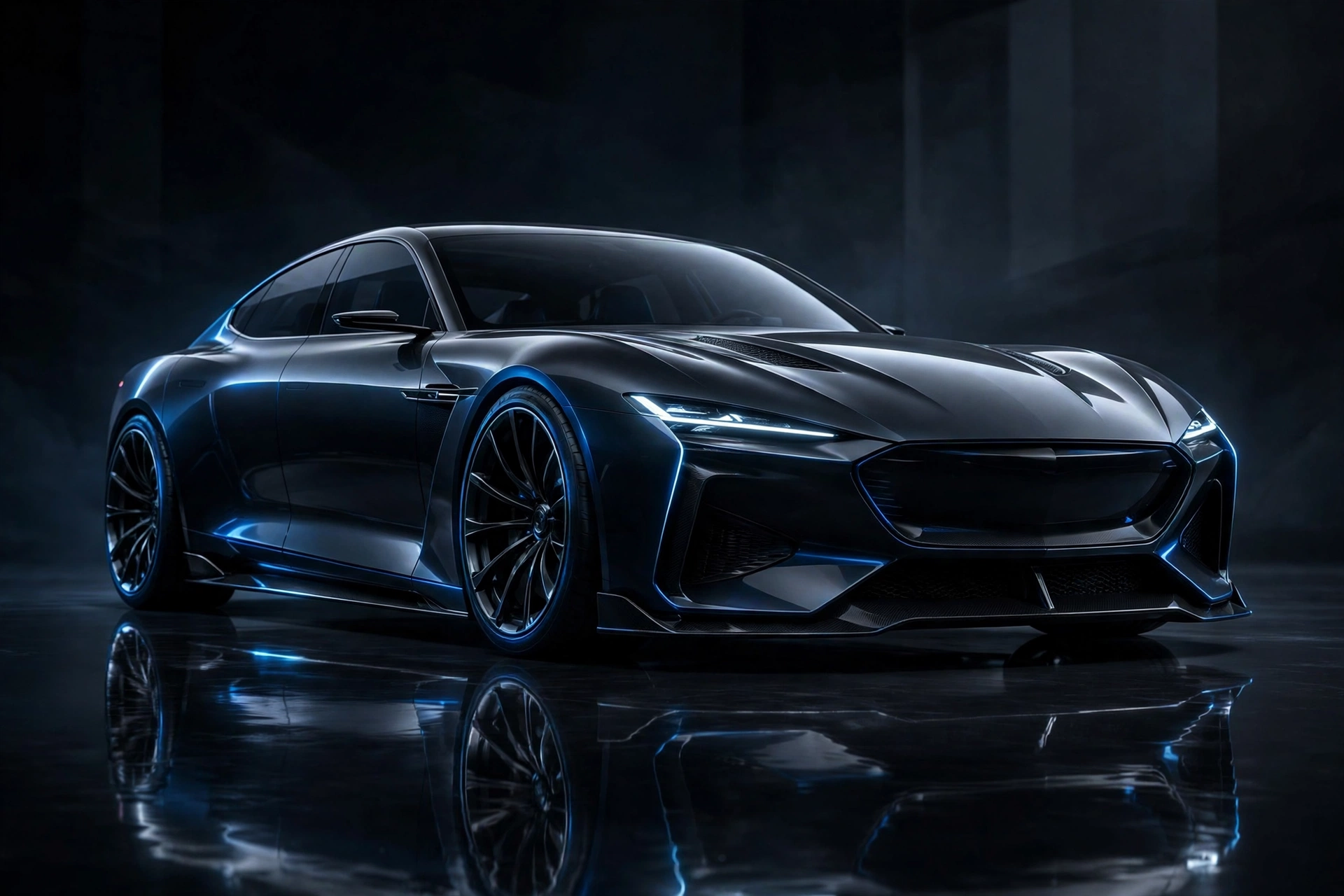
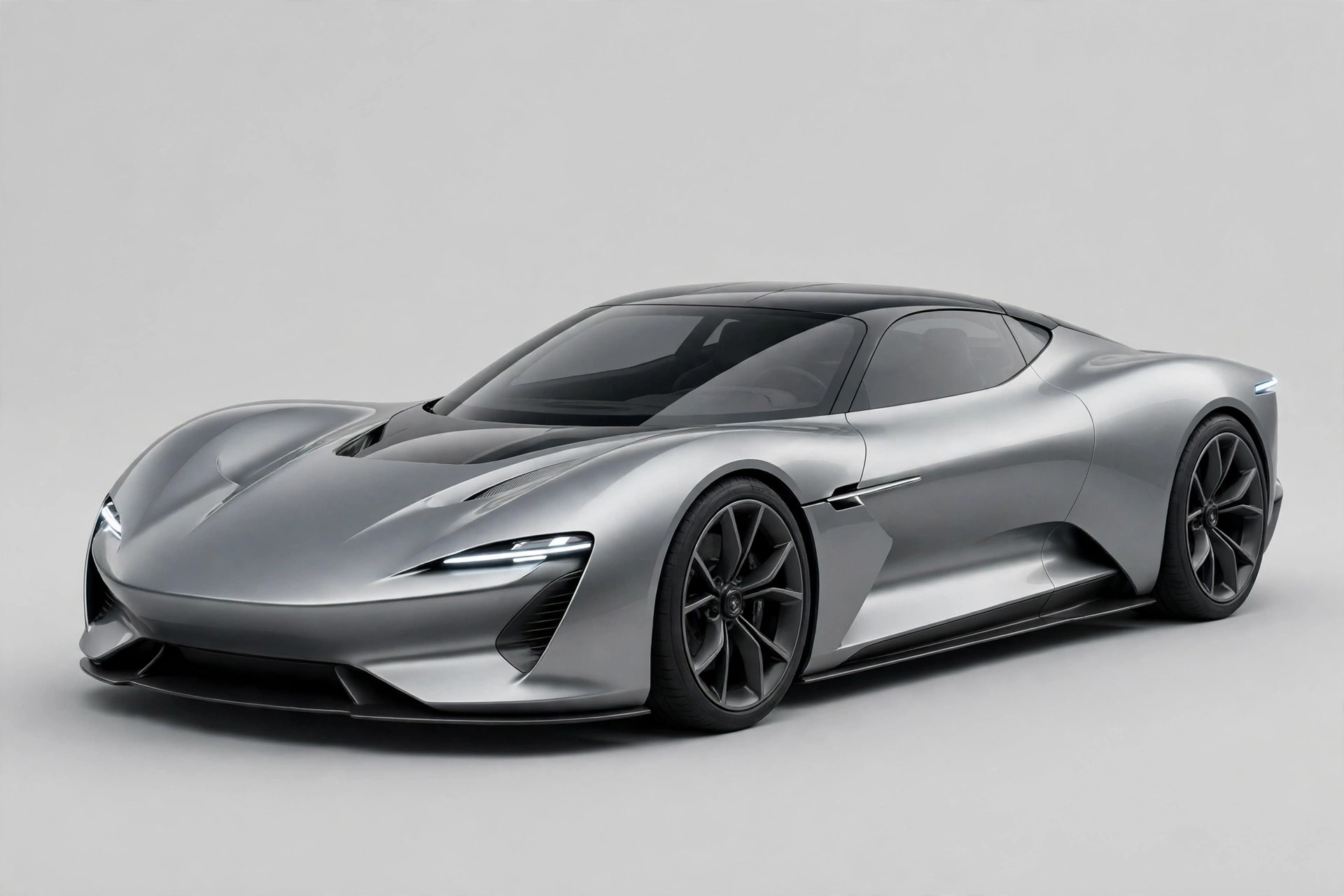
We have an unusually good idea, because Lexus has shown the car in public three times: the Electrified Sport concept in 2021, the Sport Concept at Monterey Car Week in August 2025, and the formally renamed LFA Concept in December 2025. The brief was a “universal sports-car shape” — classic coupe proportions, without leaning on the rest of the Lexus lineup.
The concept measures 4,690 mm long, 2,040 mm wide and just 1,195 mm tall, on a 2,725 mm wheelbase — longer, wider and lower than the original LFA, on a longer wheelbase. Against its GR GT sibling it is shorter and wider on the same wheelbase and height. The shape is a long bonnet, low roofline and Kamm tail, with two seats, no spindle grille, and floating checkmark headlights.
The camouflaged prototype that ran the Goodwood hillclimb in 2026 looked barely changed from the concept, except for conventional mirrors instead of cameras and a covered panel where the rear window sits. Whether the production car drops rear glass for a solid panel and camera is unknown. Inside, the concept shows a curved digital cluster and a yoke wheel — but the exterior looks all but locked while the interior remains subject to change.
What Will Power It?
One thing is confirmed: the successor is fully electric. The V10 is gone for good, with no hybrid version in the reporting. Everything after that is unconfirmed — any article giving you production horsepower, battery capacity or range today is guessing.
What exists instead are targets from the concept program: a 0–62 mph time in the low two-second range and a range of more than 435 miles. Those were concept targets, not production specifications, and Lexus has not repeated them. Solid-state batteries have been discussed as a possibility, but that part of the story remains under wraps, and no sourced outlet will confirm the battery chemistry.
The hardware underneath is the one solid technical fact: a lightweight, high-rigidity aluminium architecture shared with the Toyota GR GT road car and GR GT3 racer. The GR GT uses a twin-turbo V8 hybrid; the Lexus takes the same structure in the opposite direction, pure electric.
When Will It Go On Sale?
Here is where the reporting splits. Autocar, citing designer Shogo Kasamatsu — who called the show car “almost” indicative of the final product — points to a 2027 launch. MotorTrend lists the car as expected for the 2029 model year, and other late-2025 coverage put the target around 2029, while recent Australian reporting notes both years as live possibilities.
The Goodwood prototype favors sooner rather than later: manufacturers do not run camouflaged cars up a public hillclimb for a car years from production. But a running prototype is not a showroom date. Treat 2027 as the optimistic read and 2029 as the cautious one.
How Much Will It Cost?
There is no official price, and this article will not invent one. One early outlet estimate floated around $550,000 — treat that as speculation, since no sourced outlet has attached a dollar figure to the production car.
What can be said is what the price has to do. The original LFA cost around $375,000 in the early 2010s and sold just 500 cars; the successor is a halo car first and a volume car never. It will be priced as an exclusive flagship, judged against existing electric rivals and its own V8 sibling. Until Lexus names a number, any specific price for this car is guesswork, including the $550,000 figure above.
Should You Wait or Buy Something Else Now?
Do not plan a purchase around this car yet. It is real in the sense that matters — a concept, a name, a running prototype — but has no date, price or specifications. If you want an electric performance car now, buy one that exists. If you want this platform with an engine, the GR GT is the same story told with a V8.
Wait only if the LFA name itself is the point for you: an electric Lexus halo, built in tiny numbers. Watch for a formal announcement, a confirmed date, and photographs of an undisguised car. Until then, this is a story to follow, not a car to plan around.
For contrast, the 2027 Silverado 1500 is confirmed, revealed and priced, as covered in our 2027 Chevrolet Silverado article. The LFA sits between that certainty and pure rumor: more solid than the reported Camaro revival and the reported Charger Hellcat V-8, but still not a car you can order. For every other car on the way, see our Future Cars hub.
The Rivals
Toyota GR GT: The sibling rival: same aluminium architecture and low, wide stance, but a twin-turbo V8 hybrid instead of batteries — for buyers who still want an engine note.
Maserati GranTurismo Folgore: The electric rival you can actually buy today — a grand tourer that proves the electric luxury-performance market already exists, and sets the bar the LFA must clear.
Tesla Roadster: The cautionary rival: announced years ago, repeatedly delayed, still not in showrooms — why no LFA arrival year is treated as settled here until Lexus says so itself.
Frequently Asked Questions
Is the LFA really coming back?
As close to yes as an unannounced car gets: Lexus formally named the LFA Concept in December 2025, and a camouflaged prototype ran at Goodwood in 2026. What Lexus has not done is issue a formal announcement with a date, price or specifications.
Will it have a V10?
No. The successor is fully electric — Lexus has confirmed the powertrain type. The company says the LFA name represents passing on techniques, not any particular engine.
When will it arrive — 2027 or 2029?
Reporting disagrees: Autocar, citing the car’s designer, points to 2027; MotorTrend and other coverage point to the 2029 model year. Until Lexus announces a date, both remain possibilities.
How much will it cost?
Not yet announced. One early estimate suggested around $550,000, but no sourced outlet has confirmed a price. Expect exclusive halo pricing — the original cost around $375,000 and only 500 were built.

Arsalan Shaikh is the founder and editor of CarModels.online. A lifelong car enthusiast, he writes practical, jargon-free buying guides to help readers choose the right car with confidence — from first-time buyers to seasoned owners.