Why America’s 2026 Auto Shows Still Matter
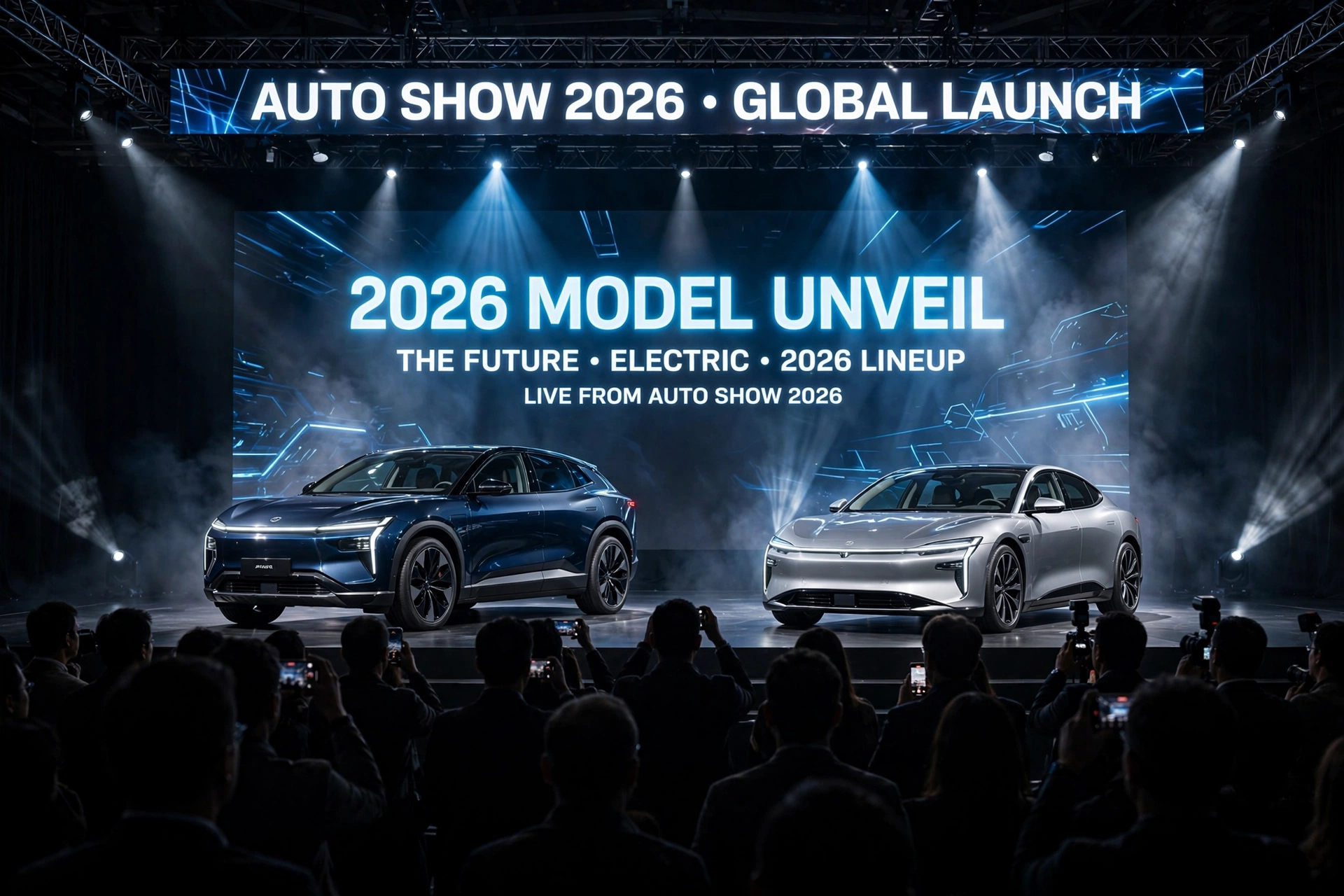
Every year, America’s 2026 auto shows set the tone for what the nation’s drivers will be buying, leasing, and talking about in the months ahead. While online reveals get plenty of attention, there is no substitute for seeing a new model under the lights, sitting in it, and watching the crowd’s reaction in real time. The 2026 season, spanning Detroit, Los Angeles, Chicago, and New York, delivered exactly that kind of energy. This year’s shows did not belong to a single blockbuster debut. Instead, they told a bigger story: electrification is no longer a fringe experiment, hybrids have quietly become the default powertrain for family cars, and technology once reserved for luxury flagships is trickling down to the models most Americans actually buy.
Detroit: Trucks, Muscle, and the Electric Push
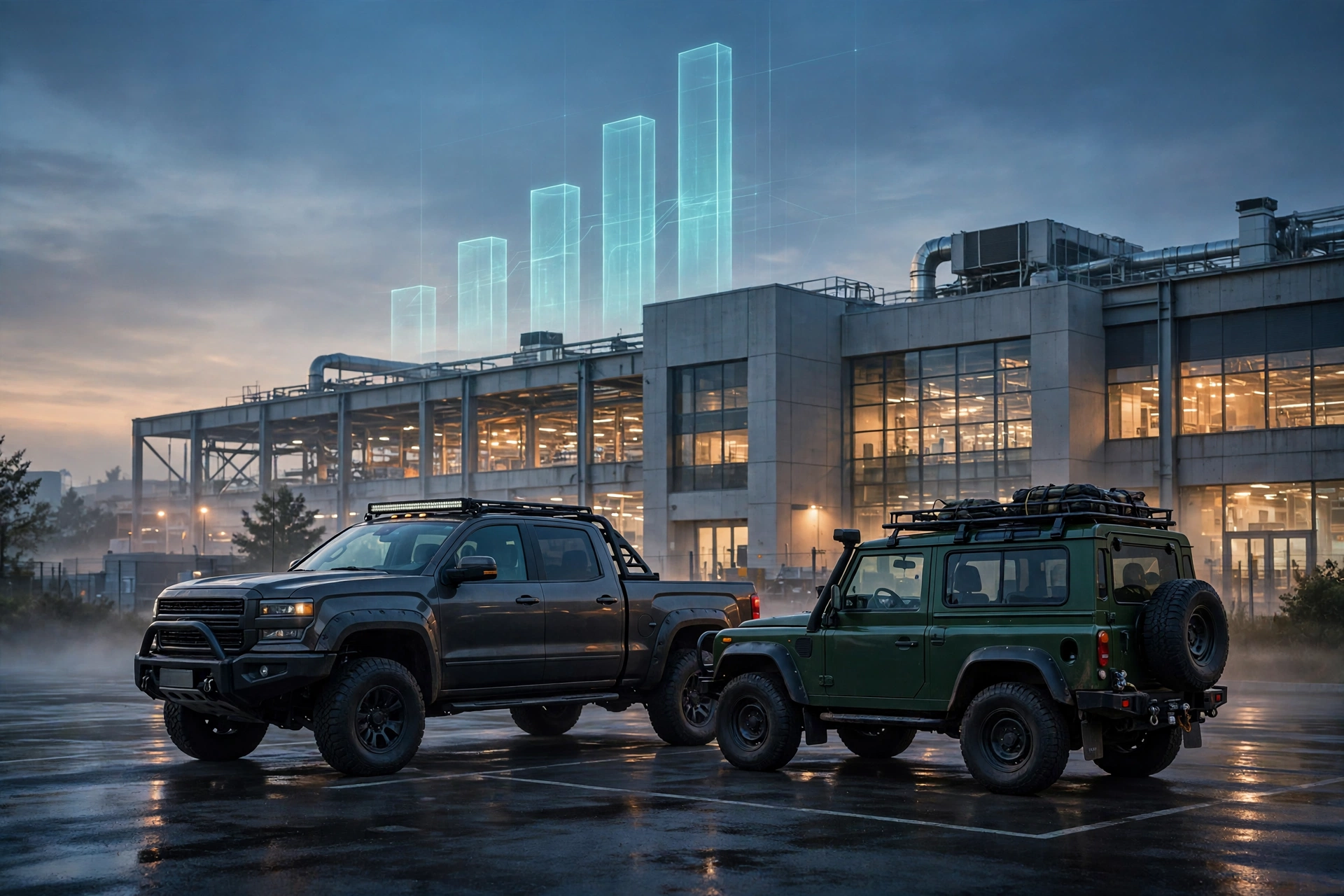
The North American International Auto Show in Detroit remains the industry’s home turf, and it leaned into what America loves most: trucks and performance. The big themes on the Detroit floor were capability and choice. Automakers showed off rugged new pickup trims aimed at weekend adventurers, alongside electrified versions of familiar nameplates that promise strong towing and hauling ability without giving up the character buyers expect. What stood out most was how comfortable the truck world has become with electrification. Instead of treating electric and hybrid trucks as compromises, manufacturers presented them as upgrades, with instant torque, quiet cabins, and clever storage solutions. Detroit also gave performance fans something to cheer about, with heritage-inspired sports models that balance old-school attitude with modern efficiency.
Los Angeles: Design Takes the Lead
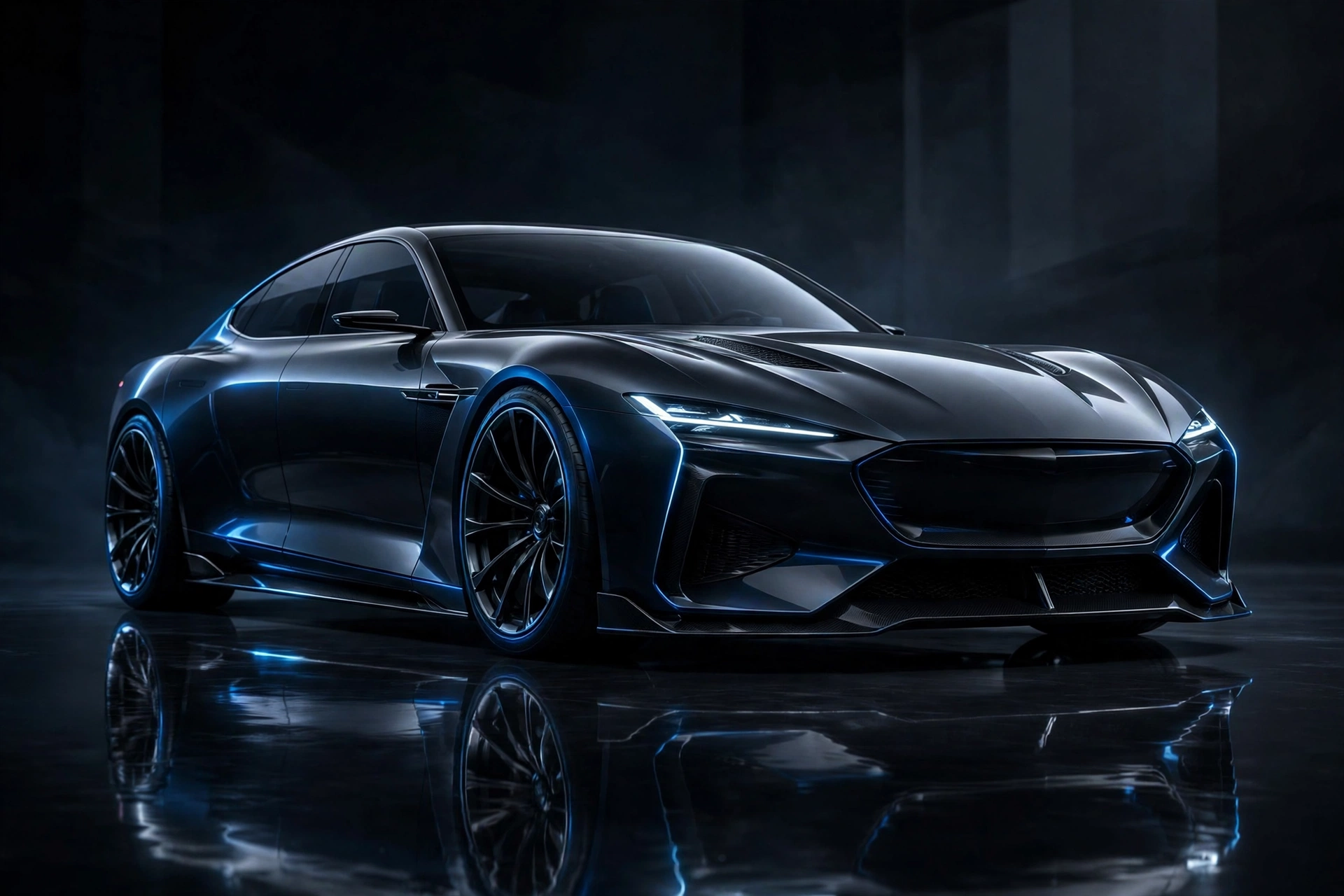
If Detroit is about muscle, Los Angeles is about style, and the 2026 LA show did not disappoint. Automakers used the California spotlight to unveil some of the boldest designs of the season. Sleek crossovers with coupe-like rooflines, futuristic lighting signatures, and minimalist interiors dominated the floor. LA has always been the show where brands test how far they can push styling before buyers flinch, and this year the answer was: pretty far. Aerodynamic shapes, flush door handles, and panoramic glass roofs appeared on mainstream models, not just six-figure exotics. The show also highlighted a growing focus on sustainable materials, with several brands showcasing cabins built from recycled fabrics and responsibly sourced trims, a nod to California’s environmentally conscious buyer base.
Chicago: The People’s Show
The Chicago Auto Show has a well-earned reputation as the most consumer-friendly stop on the circuit, and 2026 was no exception. Where other shows chase headlines, Chicago focuses on the cars and SUVs that fill American driveways. This year’s floor was packed with family crossovers, three-row SUVs, and practical sedans, many of them debuting new hybrid powertrains as standard equipment. That was arguably the single biggest story of the season: hybridization is no longer an upgrade you pay extra for. On several popular models, the hybrid is now simply the engine, full stop. Chicago also gave truck and SUV buyers plenty to explore, with off-road-ready trims, expanded towing tech, and interiors that treat rear-seat passengers better than ever.
New York: Technology Takes the Stage
The New York International Auto Show closed out the season with a strong emphasis on technology. Driver-assistance systems were the star of the show, with multiple brands demonstrating hands-free highway driving, smarter automatic emergency braking, and parking systems that can maneuver into tight city spots on their own. What made this year’s tech story different was accessibility. Features that lived only on luxury flagships a few years ago are now appearing on mainstream family cars and crossovers. New York also showcased the industry’s software ambitions, with larger, faster infotainment screens, over-the-air updates that add features after purchase, and voice assistants that actually understand natural speech. The message was clear: the car is becoming a tech product, and even affordable models are joining the party.
The Big Trends Across All Four Shows
Step back from the individual debuts and a handful of clear trends emerge from the 2026 season:
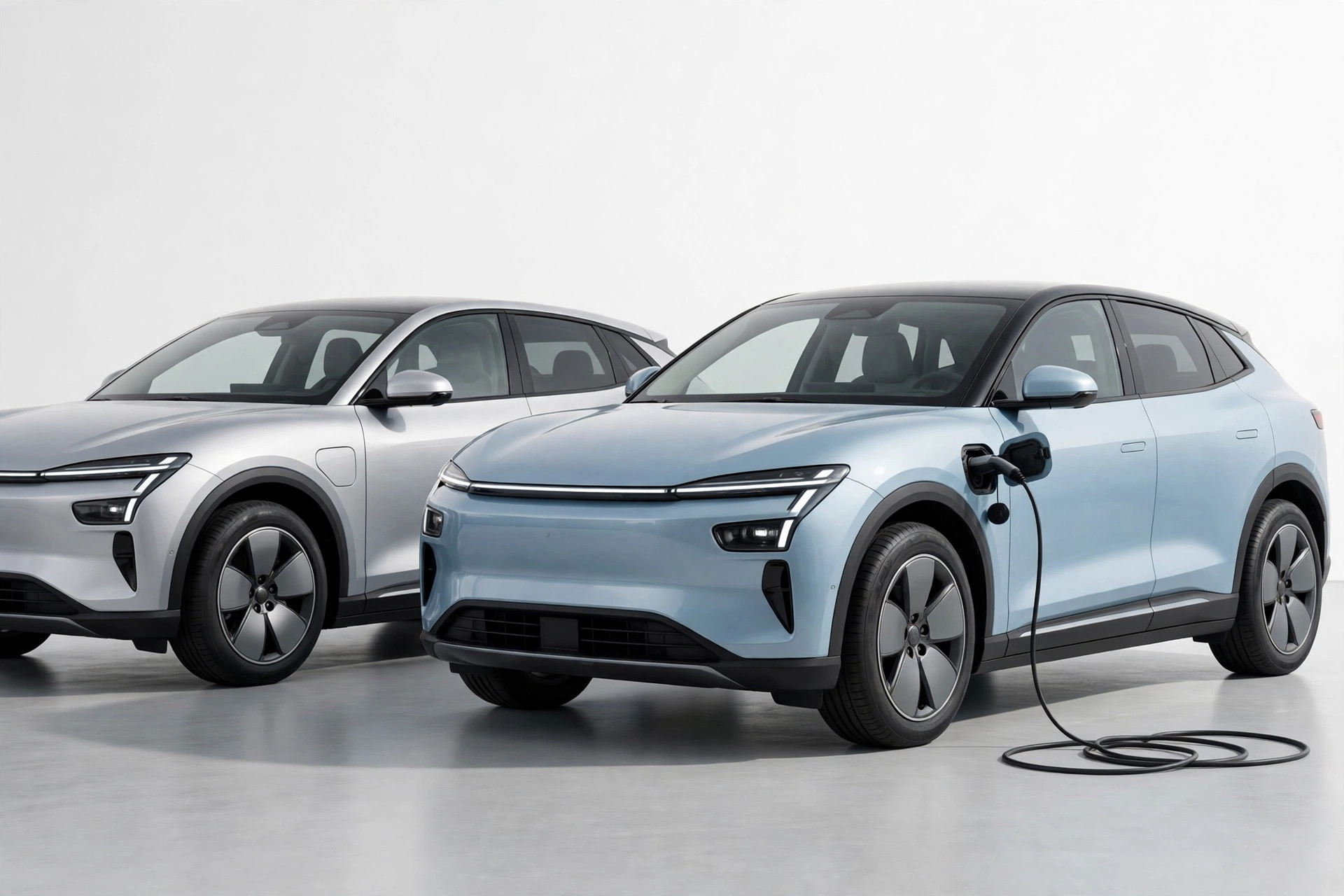
- Hybrids go mainstream. The hybrid powertrain has quietly won. Across segments, from compact sedans to three-row SUVs, hybrid versions are becoming the standard offering rather than a niche alternative.
- EVs grow up. Electric debuts felt less like science experiments and more like real products this year, with a stronger emphasis on practical range, faster charging, and designs that appeal to mainstream tastes.
- Driver-assistance trickles down. Adaptive cruise control, lane-centering, and blind-spot monitoring are increasingly standard equipment, even on affordable trims.
- Bold styling is back. After years of cautious, lookalike designs, automakers are taking risks again with distinctive lighting, sculpted bodywork, and expressive interiors.
- Interiors go digital. Physical buttons are disappearing in favor of large touchscreens and digital gauge clusters, for better or worse.
- Rugged sells. Off-road-inspired trims with raised suspensions, all-terrain tires, and adventure-ready styling continue to be a hit with American buyers.
What It Means for American Buyers
For shoppers, the 2026 show season is genuinely good news. The mainstreaming of hybrid powertrains means better fuel economy is arriving without a price premium or a learning curve; you just drive the car like any other. The spread of driver-assistance tech to affordable models means safer commuting for everyone, not just luxury buyers. And the styling renaissance means the era of the anonymous crossover may finally be ending. There are trade-offs to watch. Touchscreen-heavy interiors can frustrate drivers who prefer physical controls, and the rush toward rugged trims means some buyers will pay for off-road hardware they never use. But overall, the direction is positive: more choice, more efficiency, and more technology for the money.
The Road Ahead
Auto shows are snapshots, not the whole film, and some concepts on the 2026 floors will never reach a dealership. But the direction of travel is unmistakable. The American market is moving toward an electrified, tech-rich, and more expressive automotive landscape, and the pace of change is only accelerating. Whether you are shopping this year or just watching from the sidelines, the 2026 show season made one thing clear: the golden age of the boring family car is over. What comes next looks a lot more interesting.

Arsalan Shaikh is the founder and editor of CarModels.online. A lifelong car enthusiast, he writes practical, jargon-free buying guides to help readers choose the right car with confidence — from first-time buyers to seasoned owners.