Buying a car is one of the biggest purchases most of us ever make, so naturally we turn to car reviews for help. The problem? Most reviews read like they were written for engineers, not everyday buyers. Terms like torque, NVH, and body roll fly past, and the verdict often seems vague.
This guide fixes that by teaching you how to read car reviews with confidence. By the end, you’ll know exactly how reviews are structured, what the jargon actually means, what separates a trustworthy review from a flimsy one, and how to turn a pile of opinions into a confident buying decision.
How to Read Car Reviews: Start With the Structure
Almost every professional review follows the same skeleton. Once you recognize it, you can skip straight to the parts that matter to you.
The Overview and Specifications
Reviews usually open with the basics: what the car is, which variant is being tested, and key details like engine type, transmission, and body style. Pay close attention to which variant is being reviewed — reviewers almost always test the top-spec model, which may behave and cost very differently from the base variant you’re considering.
Exterior and Interior Impressions
Next comes the walkaround: styling, build quality, cabin materials, space, and boot capacity. These sections are subjective by nature, but look for concrete observations (“rear legroom fits a six-foot adult”) rather than pure adjectives (“gorgeous,” “premium”).
The Drive
This is the heart of the review — how the car performs on the road, rides over bumps, handles corners, and behaves in traffic. This is also where most of the jargon lives, which we’ll decode below.
Features, Practicality, and Running Costs
Good reviews cover equipment, fuel efficiency, maintenance expectations, and resale value. This section often matters more to your wallet than anything in the drive section.
The Verdict
The closing summary tells you who the car suits — and who should look elsewhere. A useful verdict is specific (“great for city commuters who prioritize comfort”) rather than generic (“a solid choice”).
Decoding Review Jargon
Reviewers use shorthand that assumes years of car knowledge. Here’s a plain-English translation of the terms you’ll meet most often.
Performance Terms
- Torque: The engine’s pulling strength. High torque at low revs means the car feels responsive in city traffic and climbs hills easily without straining.
- Turbo lag: The brief delay between pressing the accelerator and feeling the turbocharger kick in. Reviewers mention it when a car feels hesitant off the line.
- Power delivery: How smoothly or aggressively the engine responds. “Linear power delivery” means predictable and easy to drive; “peaky” means the car wakes up suddenly at high revs.
- Gearbox / transmission: How the car shifts gears. Look for words like “smooth,” “hesitant,” or “rubber-band feel” — they describe how pleasant the car is in stop-and-go traffic.
Ride and Handling Terms
- Body roll: How much the car leans in corners. Some roll is normal; excessive roll makes a car feel unstable and can upset passengers.
- NVH: Noise, Vibration, and Harshness. Low NVH means a quiet, smooth cabin — one of the biggest differences between a refined car and a tiring one.
- Steering feel: How connected the steering is to the road. “Vague” or “numb” steering means the car is harder to place precisely; “direct” steering inspires confidence.
- Ride quality: How the suspension absorbs bumps. “Compliant” or “supple” means comfortable; “stiff” or “crashy” means you’ll feel every pothole.
Technology Terms
- ADAS: Advanced Driver Assistance Systems — features like lane-keeping assist, adaptive cruise control, and automatic emergency braking that help prevent accidents.
- Infotainment: The central touchscreen system controlling music, navigation, and car settings. Reviewers judge it on responsiveness, ease of use, and whether it supports phone mirroring.
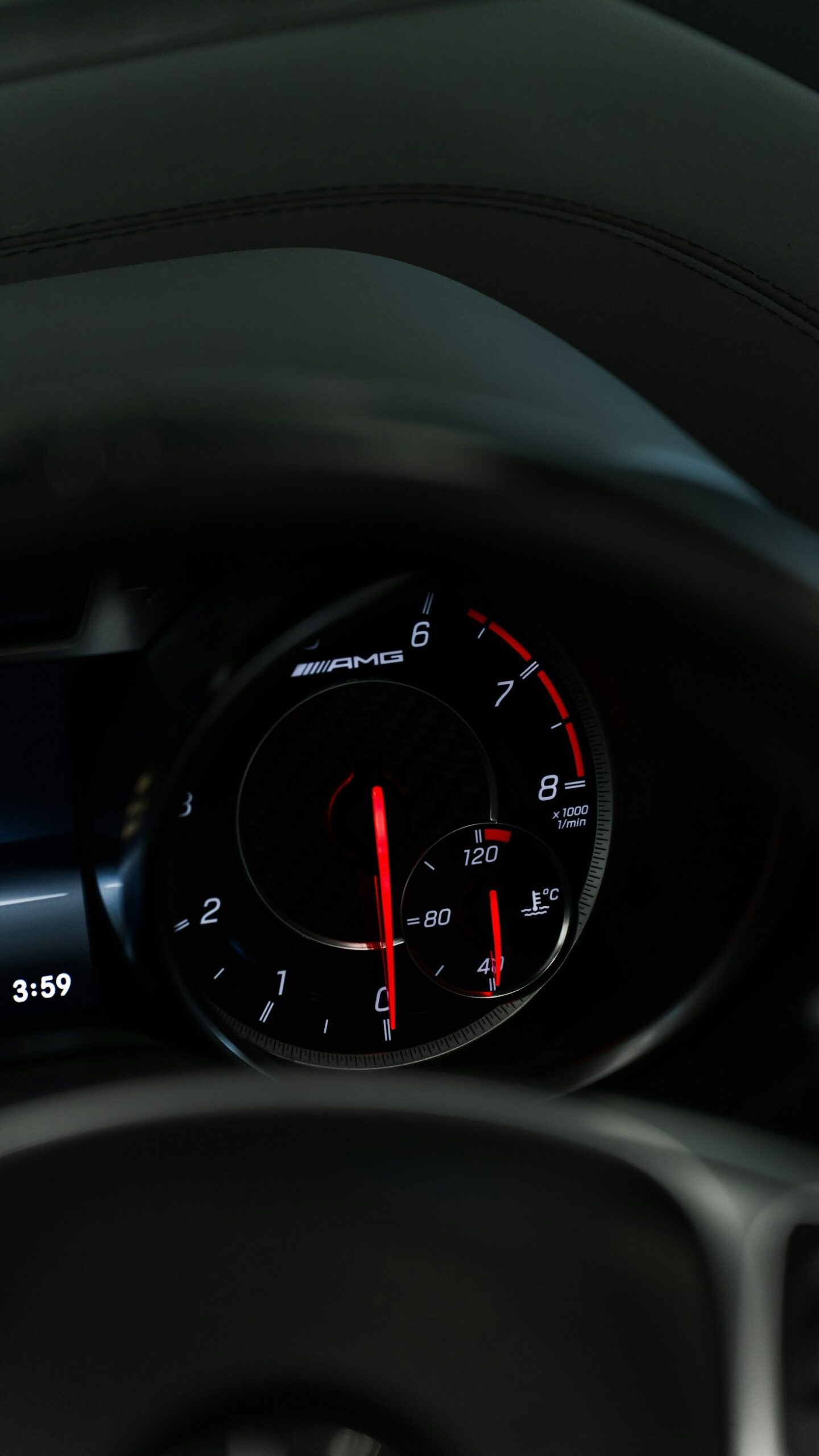
- Instrument cluster: The display behind the steering wheel. “Digital cluster” means a screen instead of traditional dials.
- Connectivity: Features like connected-car apps, remote start, and over-the-air updates that link your car to your phone.
What to Look For in a Good Review
Not all reviews are equally useful. The best ones share these qualities:
- They name the exact variant tested. Engine, transmission, and trim level all change how a car drives and what it costs. A review that skips this is missing context you need.
- They describe real driving conditions. City traffic, highway cruising, and bad roads each reveal different things. Reviews tested only on smooth highways tell you little about your daily commute.
- They compare with rivals. A car can only be “good” relative to its competition. Reviews that reference direct competitors give you far more useful context.
- They mention ownership realities. Fuel efficiency in real driving, expected maintenance, warranty coverage, and resale value matter as much as how the car feels on a test route.
Red Flags: When to Distrust a Review
Watch out for these warning signs:
- All praise, no criticism. Every car has compromises. A review with zero negatives is likely promotional rather than honest.
- Vague superlatives with no specifics. “Amazing performance” and “incredible comfort” mean nothing without numbers, comparisons, or concrete examples.
- No mention of the variant or price. If you can’t tell what was tested or what it costs, you can’t apply the review to your decision.
- Sponsored content disguised as a review. Check for disclosure labels. Sponsored reviews aren’t automatically dishonest, but they deserve extra skepticism.
- Outdated information. Cars get facelifts, new features, and price changes. A two-year-old review may describe a car that no longer exists in that form.
How to Compare Multiple Reviews
One review is an opinion; several reviews are data. Here’s a simple method:
- Read three to five reviews of the same car from different sources — a mix of professional reviewers, owner forums, and video reviews.
- Note the points of agreement. If every reviewer praises the ride comfort but criticizes the infotainment, that’s probably the truth.
- Investigate the disagreements. When reviewers differ, check why — they may have tested different variants, driven in different conditions, or simply value different things.
- Weight reviews by relevance to you. A reviewer who commutes in traffic has more to teach a city driver than one who only drove on a racetrack.
- Check owner reviews last. Long-term owners reveal reliability, real fuel efficiency, and service costs that launch reviews can’t cover.
Turning Reviews Into a Decision
Use this checklist after your research:
- Can you name the car’s three biggest strengths for your specific needs?
- Do you know its main weaknesses, and can you live with them?
- Have you confirmed the review was about the variant and price range you’re considering?
- Have you compared it against at least two direct rivals?
- Do you know the real-world running costs, not just the purchase price?
If you can answer yes to all five, the reviews have done their job. The final step is always a test drive — no review, however detailed, can tell you how a car feels to you. For the buying side of the process, see our expert tips for buying your next car.
Conclusion
Learning how to read car reviews is really about learning to read past them — past the jargon, past the hype, and past the reviewer’s personal taste to find the facts that matter for your life. Decode the terminology, demand specifics, cross-check across sources, and always finish with a test drive. Do that, and reviews stop being confusing and start being one of the most powerful tools in your car-buying toolkit.

Arsalan Shaikh is the founder and editor of CarModels.online. A lifelong car enthusiast, he writes practical, jargon-free buying guides to help readers choose the right car with confidence — from first-time buyers to seasoned owners.