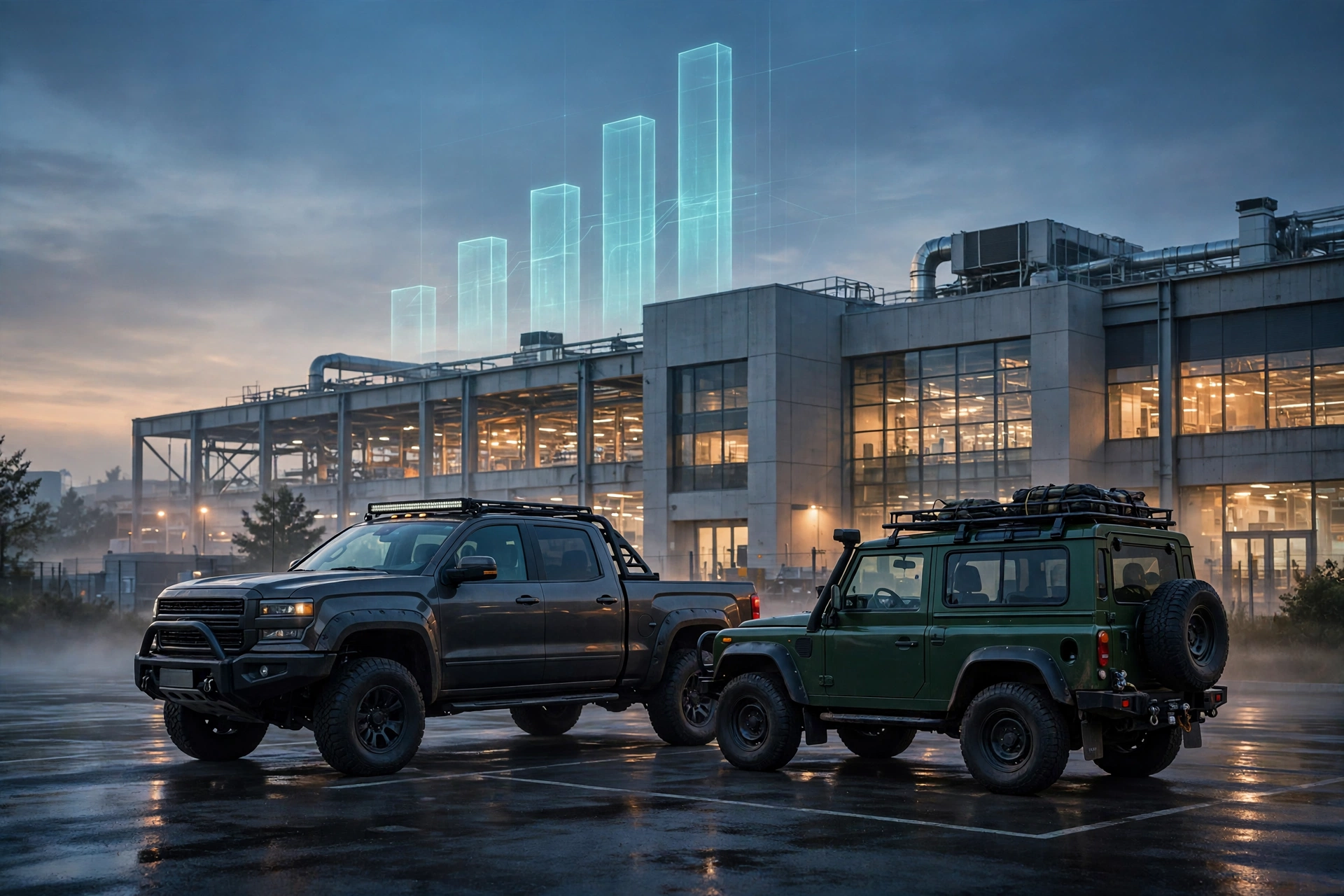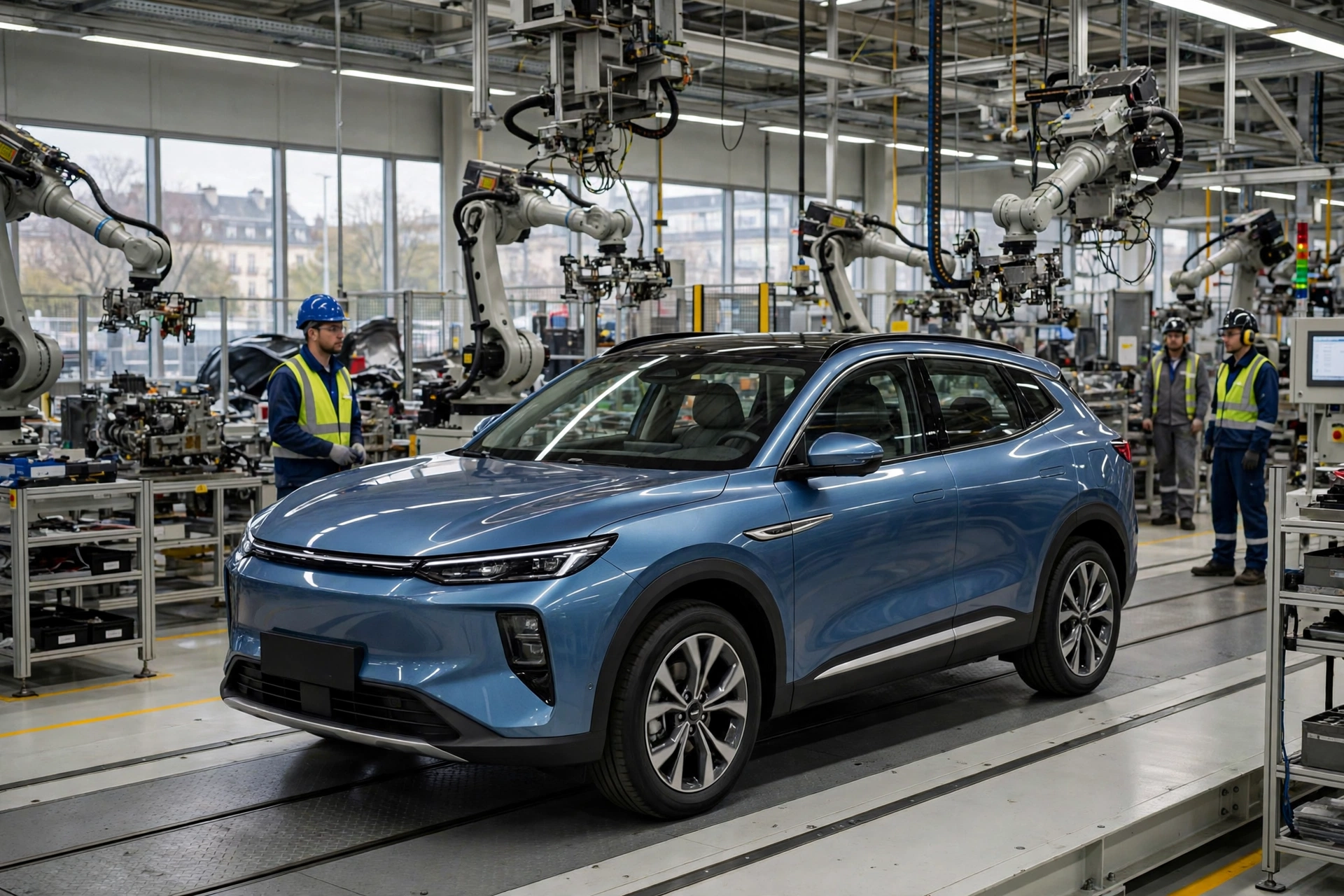
China’s biggest car exporter is about to become a lot less Chinese — at least on the factory floor. Chery, the company behind the fast-growing Omoda and Jaecoo brands, says it expects more than half of the vehicles it exports this year to be manufactured outside China by the end of 2026.
Executive Vice President Zhang Guibing laid out the numbers on Friday at an event in Wuhu, the company’s headquarters city. According to Zhang, overseas-built vehicles already account for roughly 48% of Chery’s export volume this year. The company expects that share to pass 50% by year-end, climb to about 60% next year, and reach 70% by 2030.
Those are company targets, not audited results — but the direction is unmistakable. “Step by step, we are trying to localize production and rely mainly on local manufacturing,” Zhang told the event.
Why a Chinese Exporter Wants Foreign Factories
Exporting finished cars out of China used to be the whole playbook: build cheap at home, ship everywhere. That model is running into walls — literally, tariff walls.
The European Union has layered extra duties on Chinese-built electric vehicles. The United States keeps a 100% tariff on Chinese-made EVs and has effectively closed the door to Chinese brands altogether. Other markets, from Turkey to Brazil, have raised import barriers of their own. Every one of those walls has the same loophole: a car built inside the market usually isn’t treated as an import at all.
Zhang framed the shift in friendlier language — local manufacturing creates local jobs and lets Chery “cooperate with local technologies.” Both things can be true at once. A plant in Spain or Thailand employs local workers and buys from local suppliers, which buys political goodwill. It also happens to sidestep the tariffs aimed at cars shipped from China. Automakers have played this game for decades; Toyota, Hyundai and Volkswagen all became “local” brands in America by building cars in America. Chery is applying the same lesson, just faster and on more continents at once.
The Brands Doing the Work: Omoda and Jaecoo
If you haven’t met a Chery yet, that’s because the parent name rarely appears on the grille. Its export push runs through two younger brands: Omoda, aimed at style-conscious buyers with crossover SUVs, and Jaecoo, which sells boxier, off-road-flavored SUVs. Both have been expanding quickly through Europe, the Middle East, Latin America and Southeast Asia, often undercutting established rivals on price while matching them on screens, safety tech and warranty length.
That formula is working. Chinese brands keep gaining ground in Europe — we covered the latest surge in Europe Goes Electric, where electrified models took more than three-quarters of new-car registrations in September. Chery is one of the exporters driving those numbers, and building the cars closer to the customers is how it plans to protect the growth when tariff bills arrive.
More Than Factories: Chargers and Robotaxis
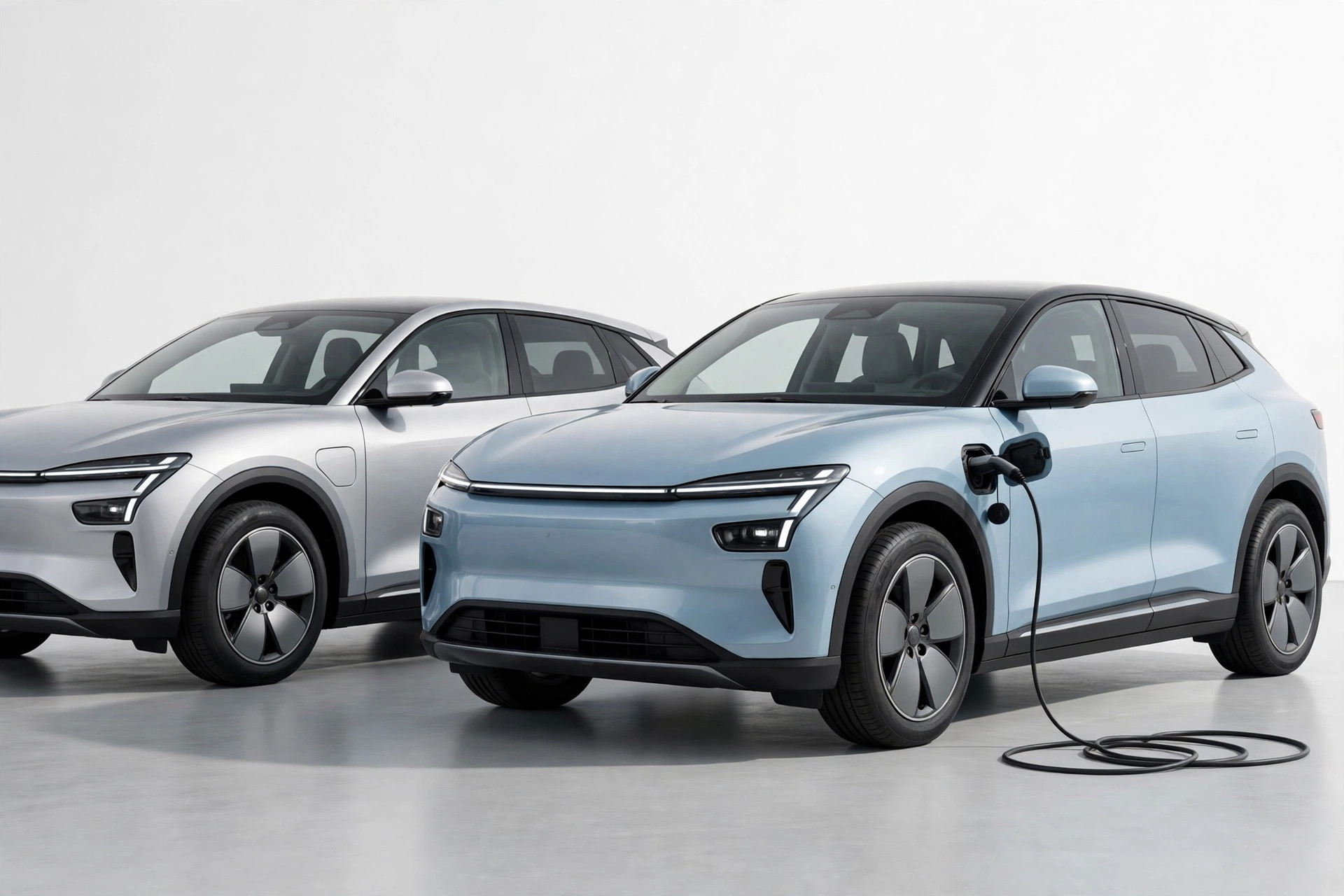
Friday’s announcements weren’t only about assembly plants. Chery also said it will start building fast-charging and energy-storage stations in countries including the UK, Spain and Thailand from 2027 — infrastructure that supports the EVs and plug-in hybrids its brands increasingly sell.
And in the United Arab Emirates, the company plans to launch robotaxis starting next year. Self-driving taxis are a long way from Chery’s bread-and-butter family crossovers, but the move signals how the company wants to be seen: not as a budget exporter riding a price advantage, but as a technology company that happens to sell cars. Whether the robotaxi timeline holds is a company claim to watch, not a promise to bank on.
What This Means for American Buyers
Chery doesn’t sell cars in the United States, and nothing announced on Friday changes that. The American angle is indirect — but it matters.
First, it shows how the global industry is reorganizing around trade barriers. When the world’s most aggressive exporter decides that shipping from home is a losing strategy, production maps get redrawn for everyone, including the legacy brands Americans actually buy from.
Second, if a Chinese brand ever does enter the US market in force, Friday’s playbook is almost certainly how it will arrive: not with container ships of China-built cars, but with a factory announcement, local jobs, and a ribbon-cutting photo with a governor. Geely-owned Volvo and Polestar already build vehicles in South Carolina. Chery’s numbers suggest the “built where it’s sold” model is becoming the default for Chinese automakers everywhere else — the US would be an extension of the strategy, not an exception.
Third, there’s the competitive pressure. Every market where Omoda and Jaecoo win buyers with lower prices and longer warranties is a market where Ford, GM, Hyundai and Volkswagen have to respond — and those responses, on pricing and features, tend to travel.
The Bottom Line
Read Chery’s targets for what they are: a forecast from an interested party, delivered at a company event. Hitting 70% overseas production by 2030 means building or expanding plants at a pace few automakers have ever sustained, and local politics can slow a factory as easily as tariffs can speed one up.
But the strategic signal is real, and it’s bigger than one company. The era of China simply exporting its way to global dominance is ending — not because the cars stopped being competitive, but because the politics changed. The next era belongs to whoever builds the best local factory network. On Friday, China’s top exporter told the world it intends to win that race too.
Sources: Reuters, reporting from Chery’s Wuhu headquarters event, October 23, 2026. Production shares and timelines are Chery’s stated expectations, not independently verified results.

Arsalan Shaikh is the founder and editor of CarModels.online. A lifelong car enthusiast, he writes practical, jargon-free buying guides to help readers choose the right car with confidence — from first-time buyers to seasoned owners.