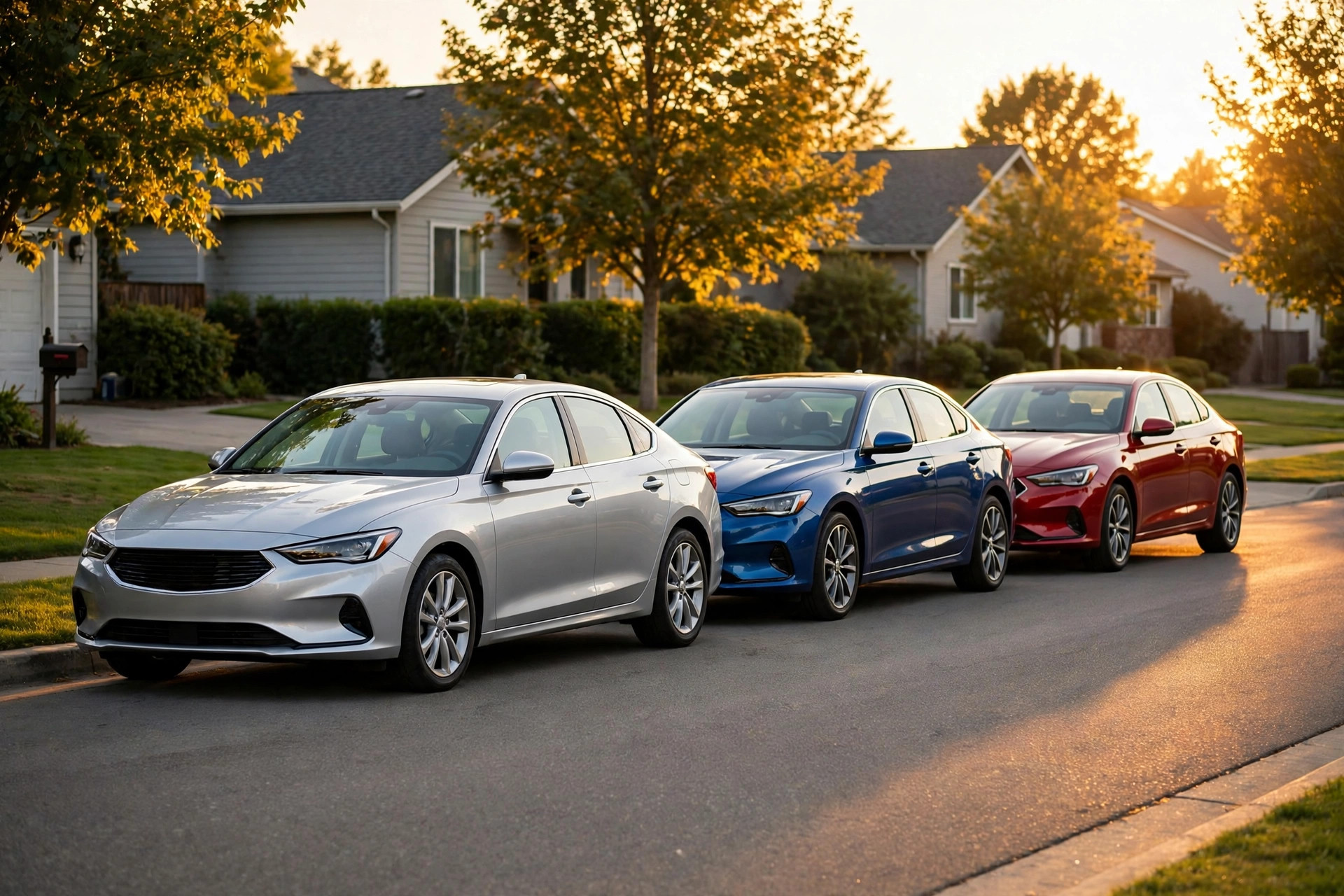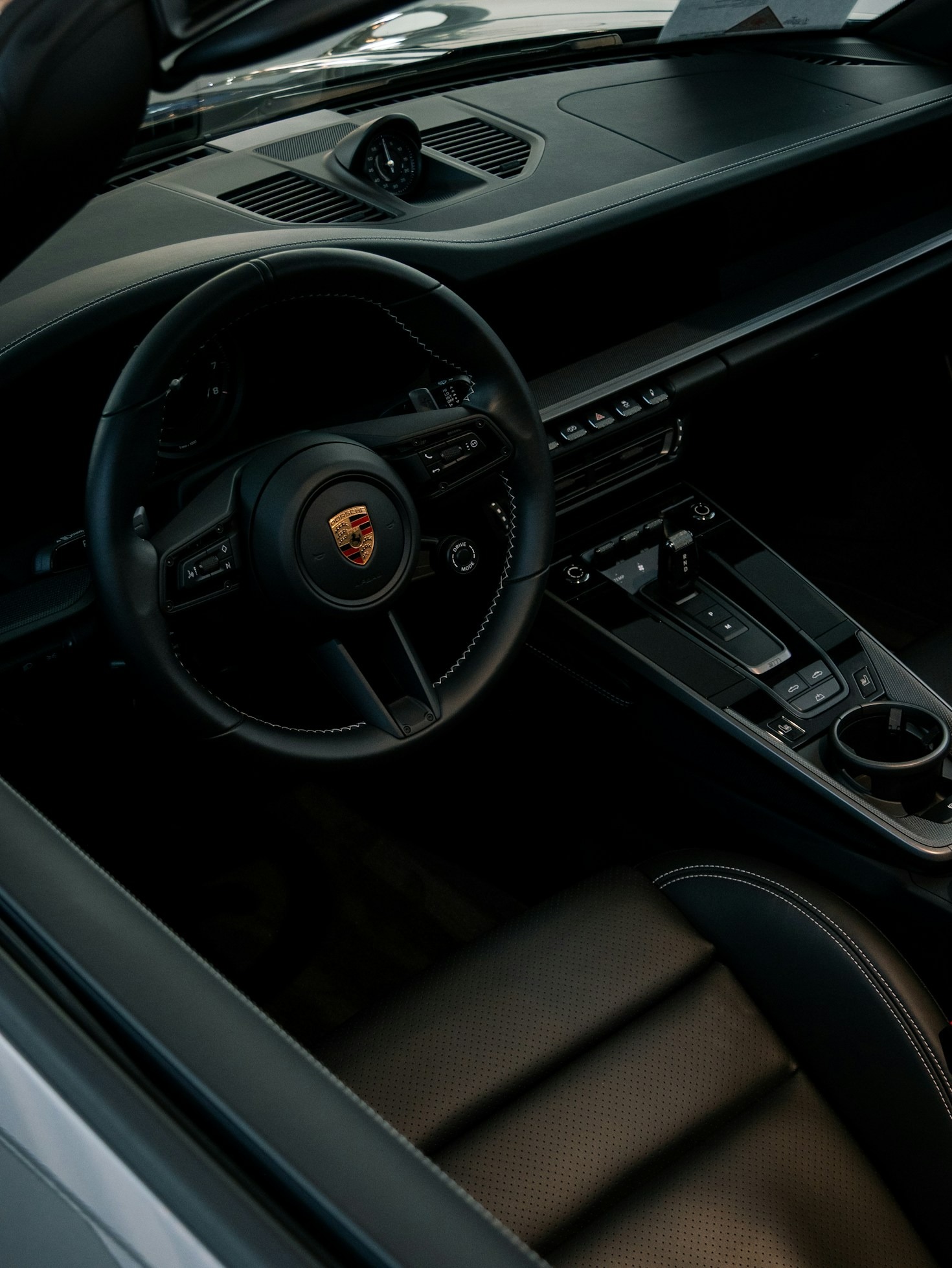
The car industry is in the middle of its biggest transformation in a century. Electric powertrains, connected software, and new ways of owning a car are all converging at once — and 2026 is the year many of these shifts move from early-adopter territory into the mainstream.
Whether you are buying this year or just watching the market, here is the future of cars 2026 has in store, explained in plain language for everyday drivers.
Electric Cars Go Mainstream
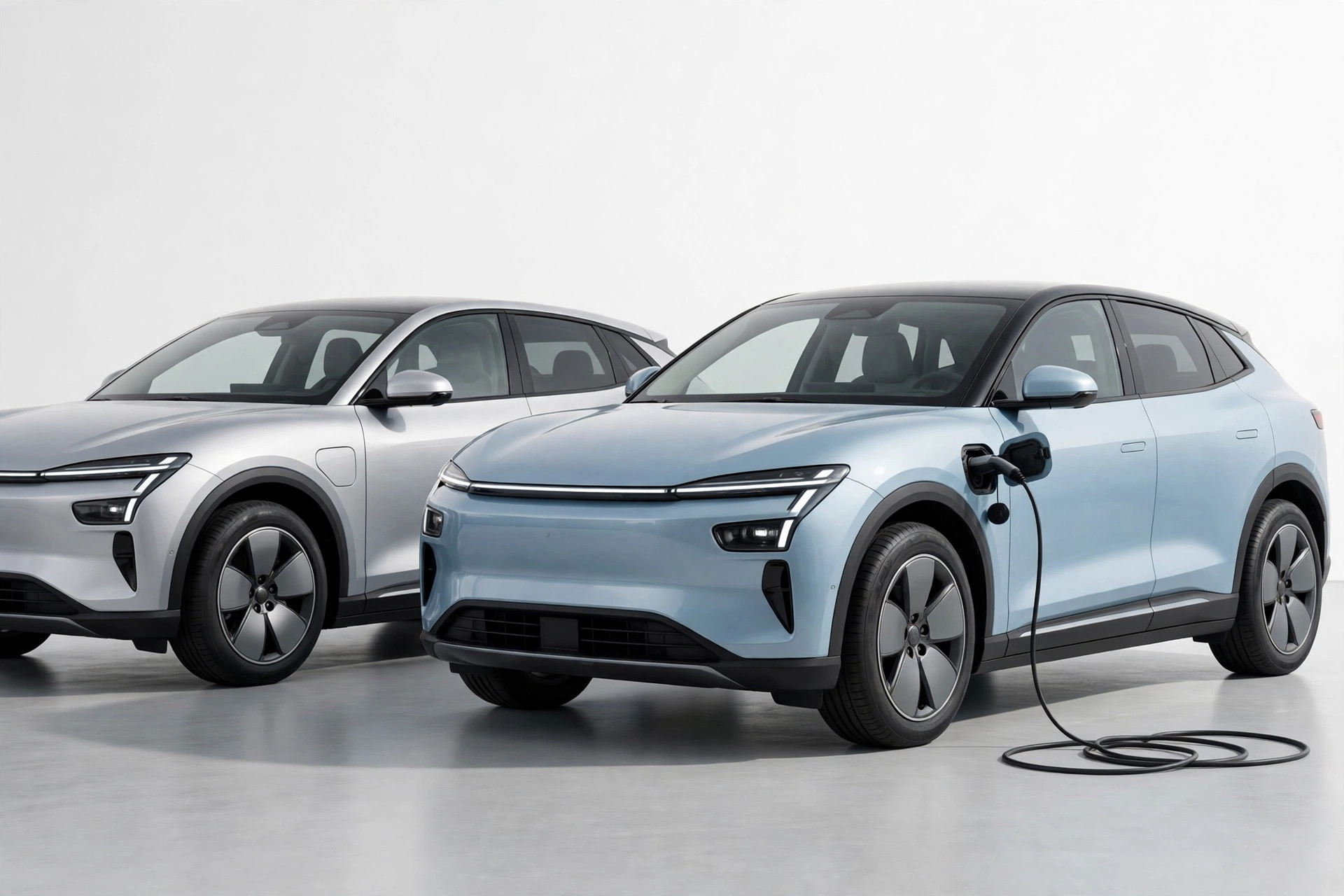
Electric vehicles are no longer a niche experiment. In 2026, buyers can choose from electric options across nearly every segment — compact hatchbacks, family SUVs, executive sedans, and even pickup trucks. Charging networks have expanded significantly, and charging speeds keep improving, which steadily chips away at the two biggest buyer concerns: range and charging convenience.
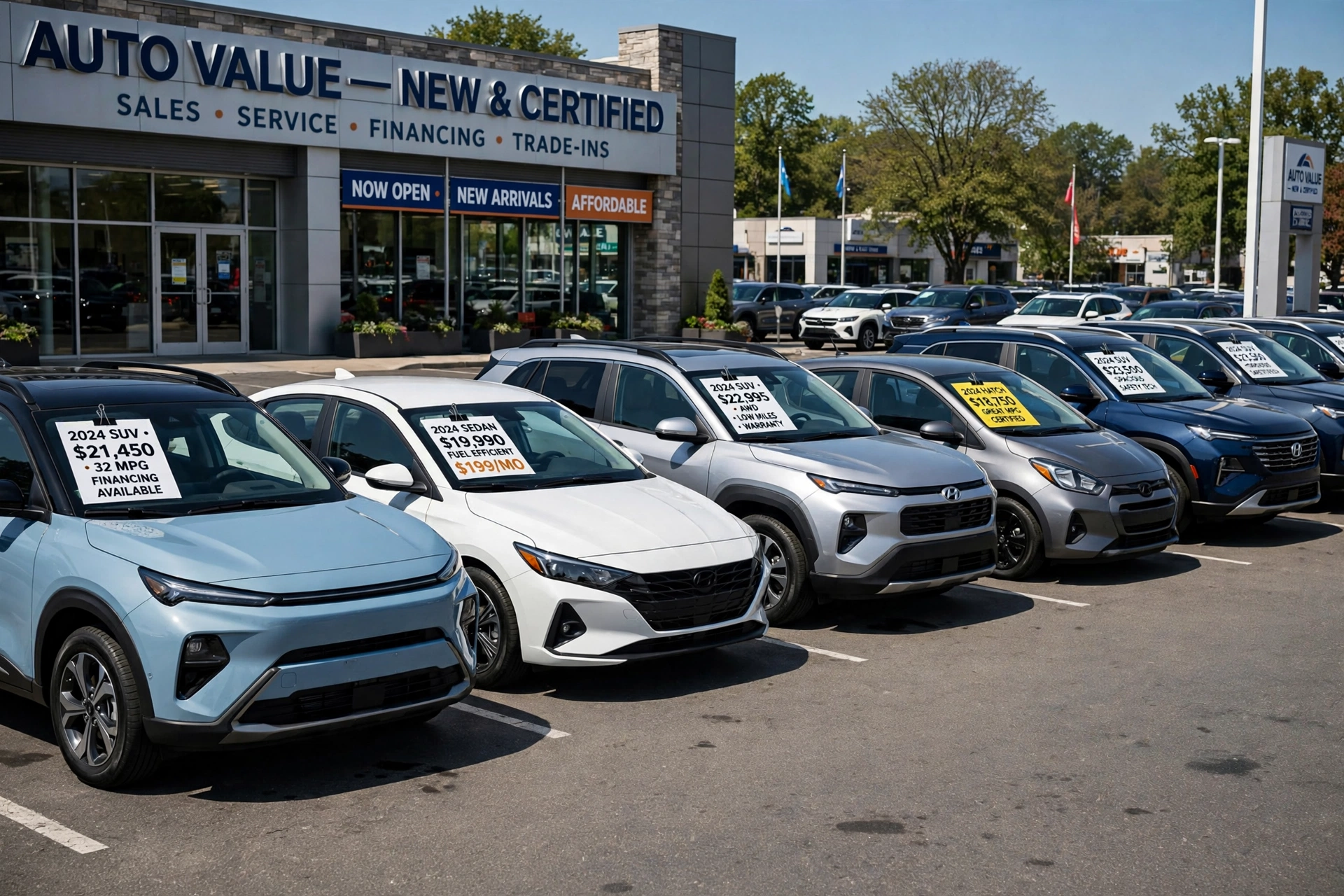
The used electric car market is also maturing in 2026, giving budget-conscious buyers a new entry point. With more data available on long-term battery health and certified pre-owned electric programs expanding, a second-hand EV is becoming a realistic option rather than a gamble. As always, check the battery’s state of health and remaining warranty before buying used.
What to watch this year: more affordable electric models arriving in mainstream price brackets, wider availability of home and workplace charging solutions, and battery technology that continues to improve range and longevity. If you have been waiting for the right moment to go electric, 2026 offers more choice than ever before.
Hybrids Have Their Moment
While electrics grab the headlines, hybrids are quietly having one of their strongest years. For drivers who are not ready to go fully electric — because of charging access, long highway commutes, or budget — modern hybrids offer a compelling middle ground: significantly better fuel economy than conventional cars, with no change to how you refuel.
Plug-in hybrids deserve special attention in 2026. Their electric-only range has grown enough to cover many people’s daily commutes, meaning a large share of driving can be electric while a petrol engine remains for longer trips. For many households, this is the most practical low-emission choice available right now.
The Connected Car Becomes Standard
Connectivity that was once a premium extra is now expected equipment. In 2026, most new cars come with built-in internet connections, smartphone integration, and companion apps that let you check charge levels, pre-heat the cabin, or locate your parked car from your phone.
Voice assistants built into the dashboard, digital keys stored on your phone, and remote diagnostics that alert you to maintenance needs before a breakdown are all part of the package in 2026. The car is increasingly an extension of your digital life rather than a standalone machine.
The deeper shift is that cars are becoming software-defined: their capabilities increasingly depend on software, not just hardware. Over-the-air updates can improve range, add features, and fix issues without a dealership visit. When comparing cars this year, ask which systems receive software updates and for how long — it is becoming as important as the engine specification.
Safety Technology Raises the Bar
Advanced safety systems continue their march from luxury options to standard equipment. Automatic emergency braking, lane-keeping assistance, blind-spot monitoring, and driver-attention warnings are now common even in affordable segments — and independent safety ratings increasingly reward cars that include them as standard rather than as expensive extras.
The practical advice for 2026 buyers: do not just count the safety features on the brochure. Check how the specific model performed in independent crash and safety-assist testing, because the real-world effectiveness of these systems varies significantly between manufacturers.
Efficiency Is the New Performance
A subtle but important trend: the industry’s definition of a great car is shifting. Where performance once meant bigger engines and faster acceleration, efficiency now carries equal prestige. Aerodynamic design, lightweight materials, and intelligent energy management are engineering priorities across every segment.
This is good news for buyers. It means even conventional petrol and diesel models are becoming more economical, and the gap in running costs between efficient and inefficient choices keeps widening. Fuel economy and energy consumption figures deserve a prominent place on every buyer’s comparison checklist.
Ownership Models Keep Evolving
How people access cars is changing alongside the cars themselves. Traditional outright purchase and standard financing remain popular, but alternatives are maturing.
Subscriptions and Flexible Terms
Car subscription services — one monthly payment covering the car, insurance, maintenance, and often the ability to swap vehicles — continue to grow in 2026. They appeal to drivers who value flexibility over long-term commitment, such as those who want to try an electric car without buying one outright. Leasing, too, is evolving with shorter terms and more flexible mileage options.
The right model depends on how long you keep cars, how much you drive, and how much you value flexibility. Run the numbers for your own situation rather than assuming one approach is always cheapest.
The Future of Cars 2026: What It All Means for Buyers
The future of cars in 2026 is not a single technology — it is choice. Electric, hybrid, and efficient conventional cars all have strong offerings; connectivity and safety technology keep improving across the board; and flexible ownership models mean there are more ways than ever to get behind the wheel.
The winning strategy for buyers is the same as ever: be clear about how you actually drive, compare total costs rather than just sticker prices, and prioritize the technologies that will matter in your daily life. The future is already on the showroom floor — you just need to know what to look for.

Arsalan Shaikh is the founder and editor of CarModels.online. A lifelong car enthusiast, he writes practical, jargon-free buying guides to help readers choose the right car with confidence — from first-time buyers to seasoned owners.